


1. GENERAL INFORMATION
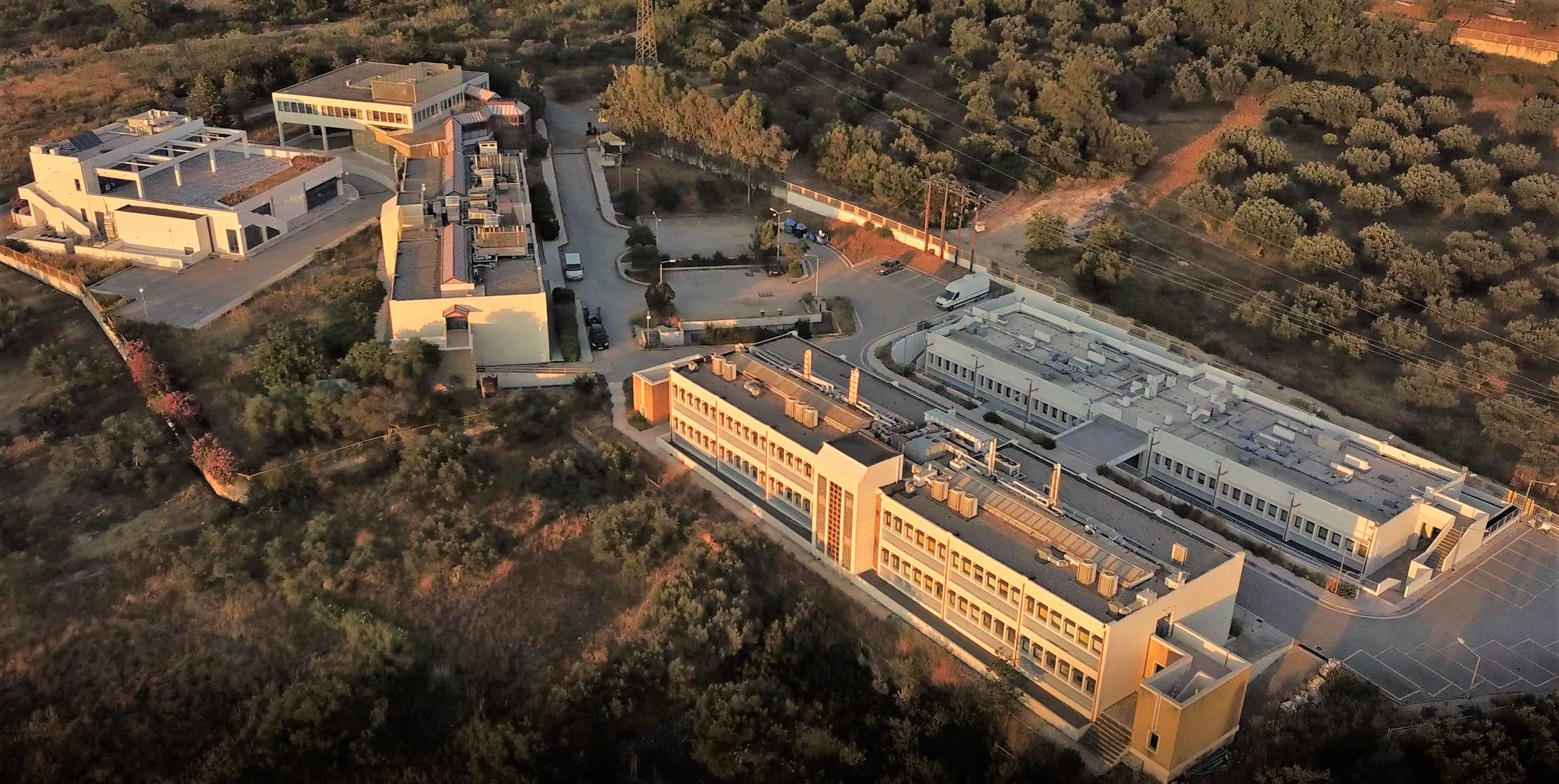
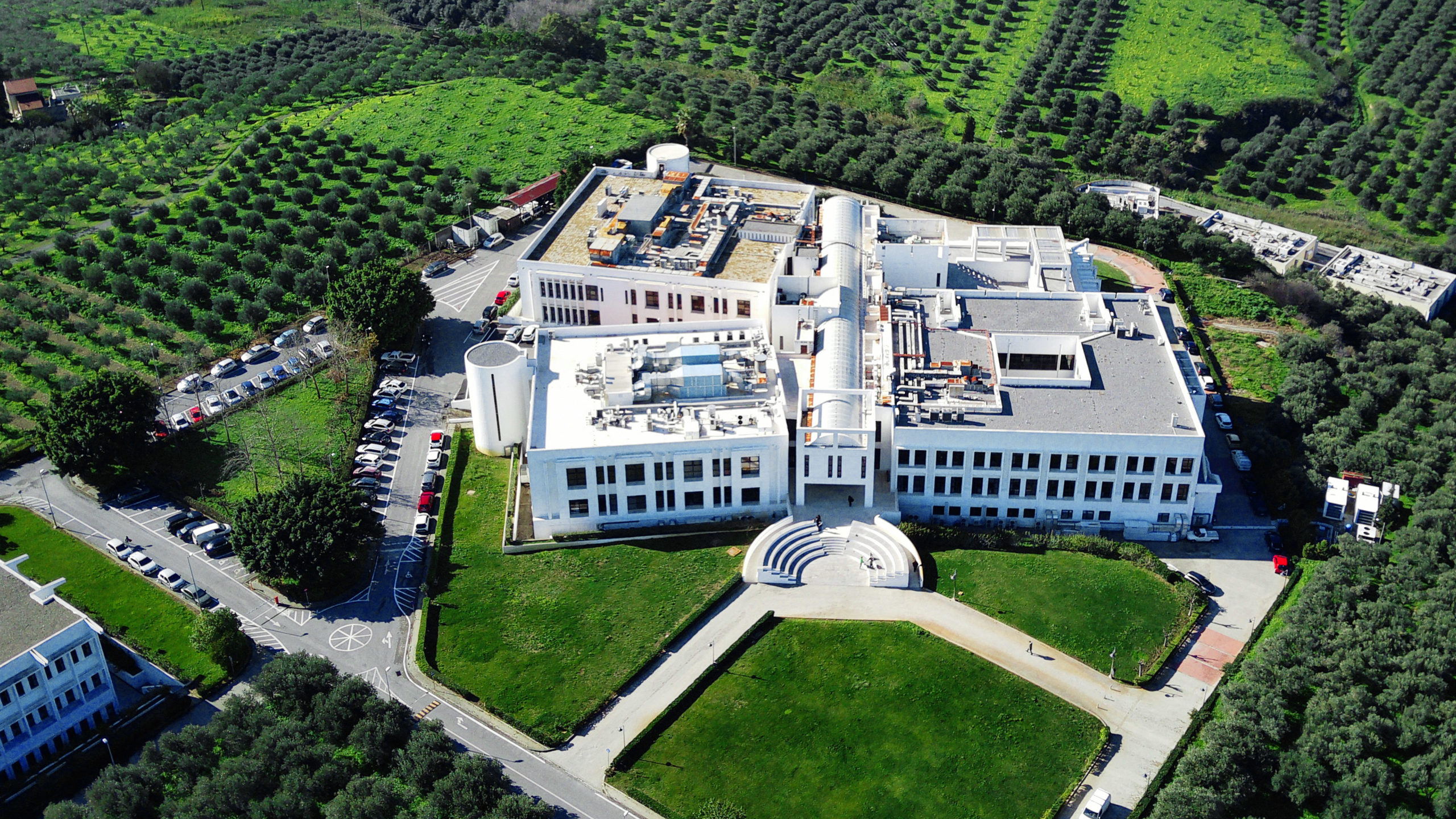
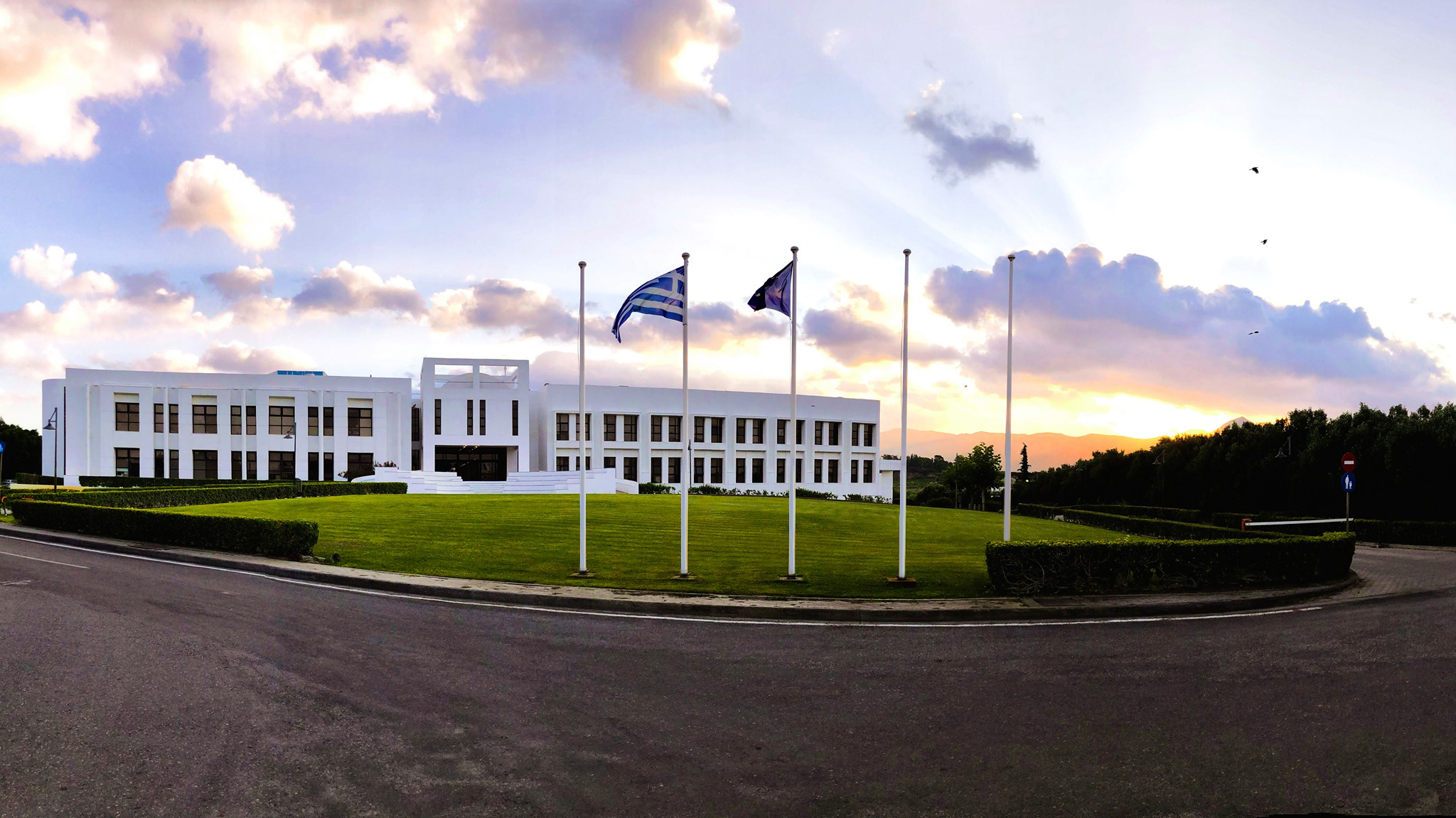
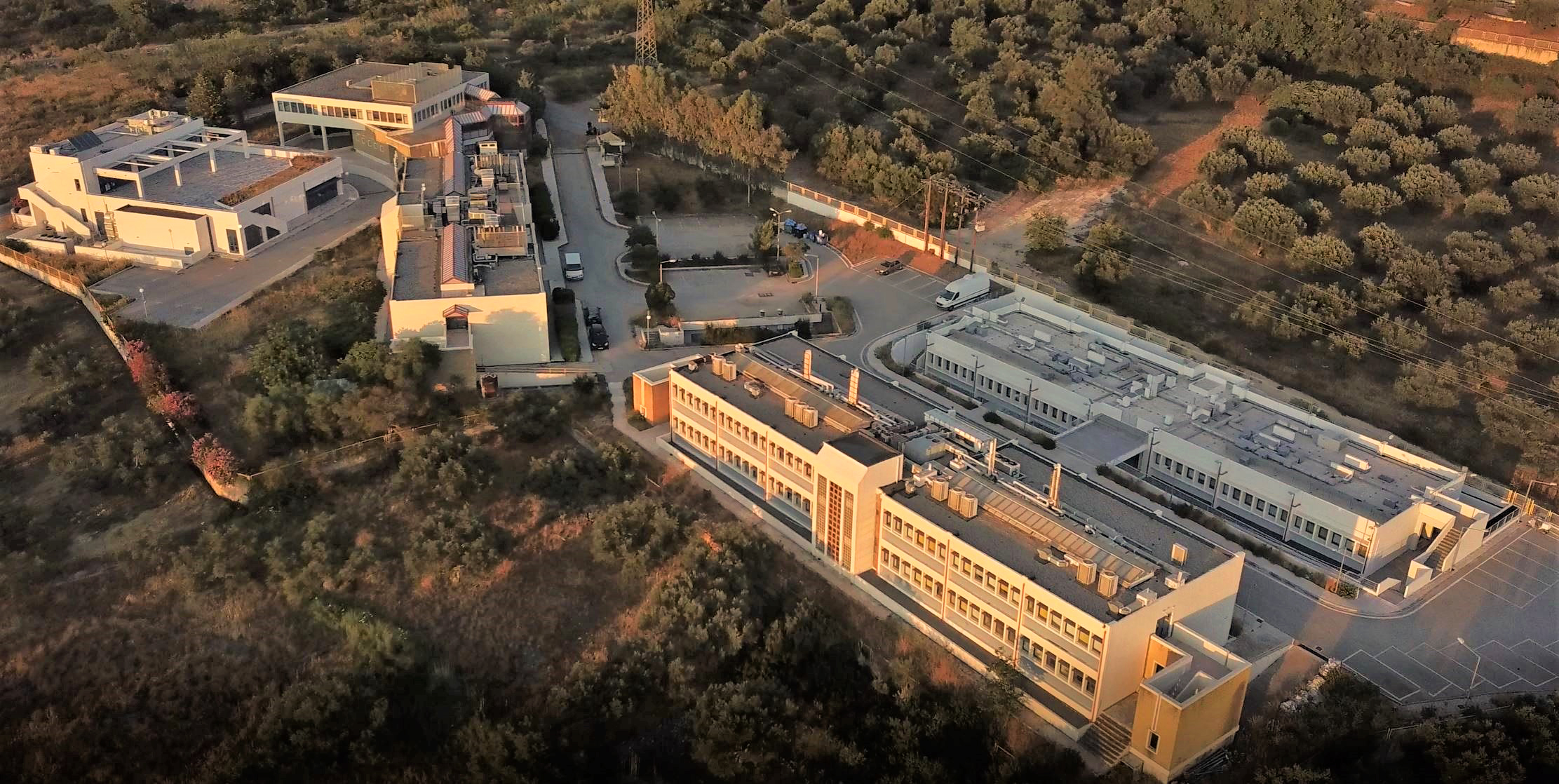
The Foundation for Research and Technology – Hellas (FORTH) was founded in 1983. It is one of the largest research centers in Greece with well-organized facilities, highly qualified personnel and a reputation as a top-level research institution worldwide.
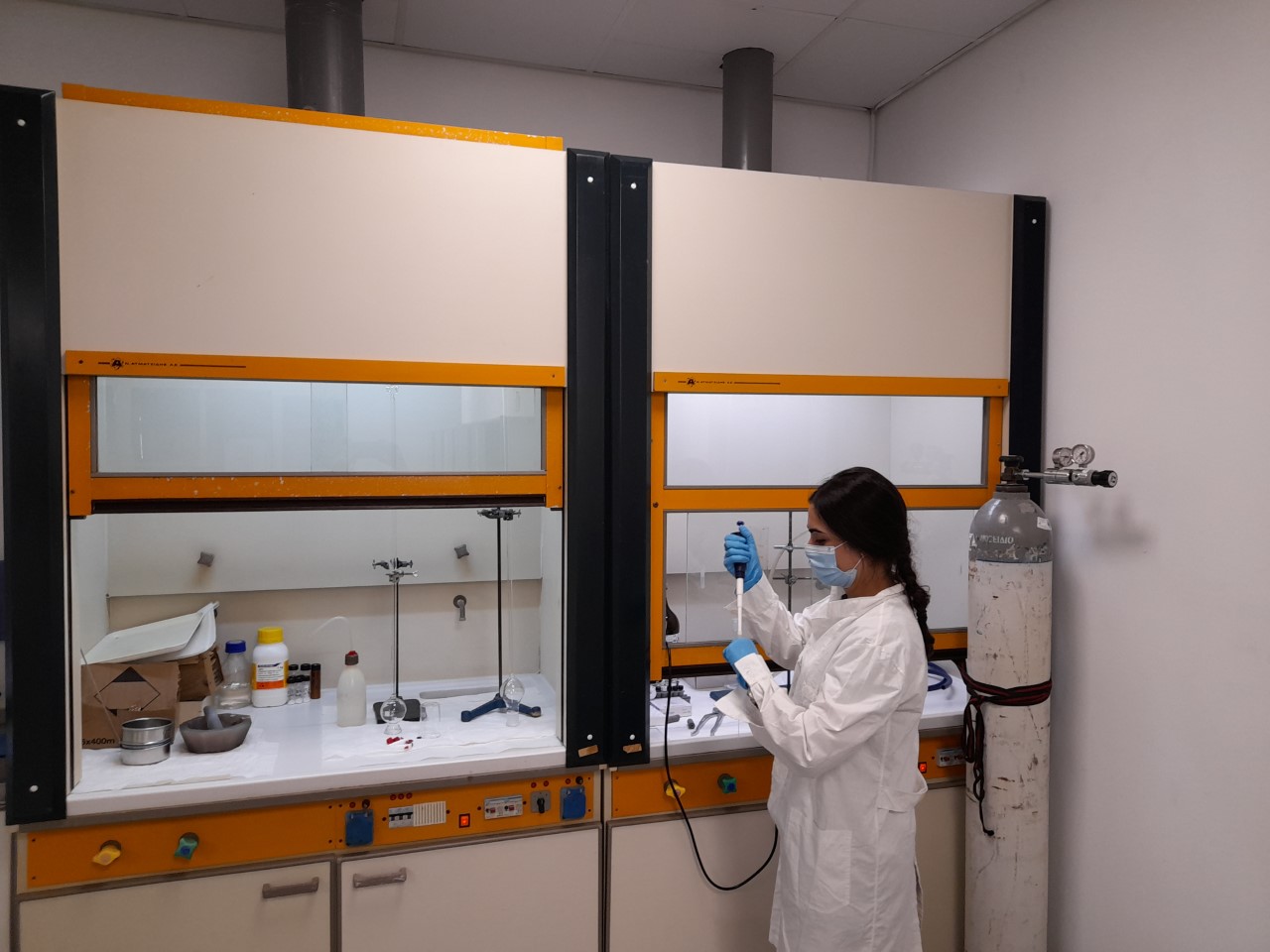
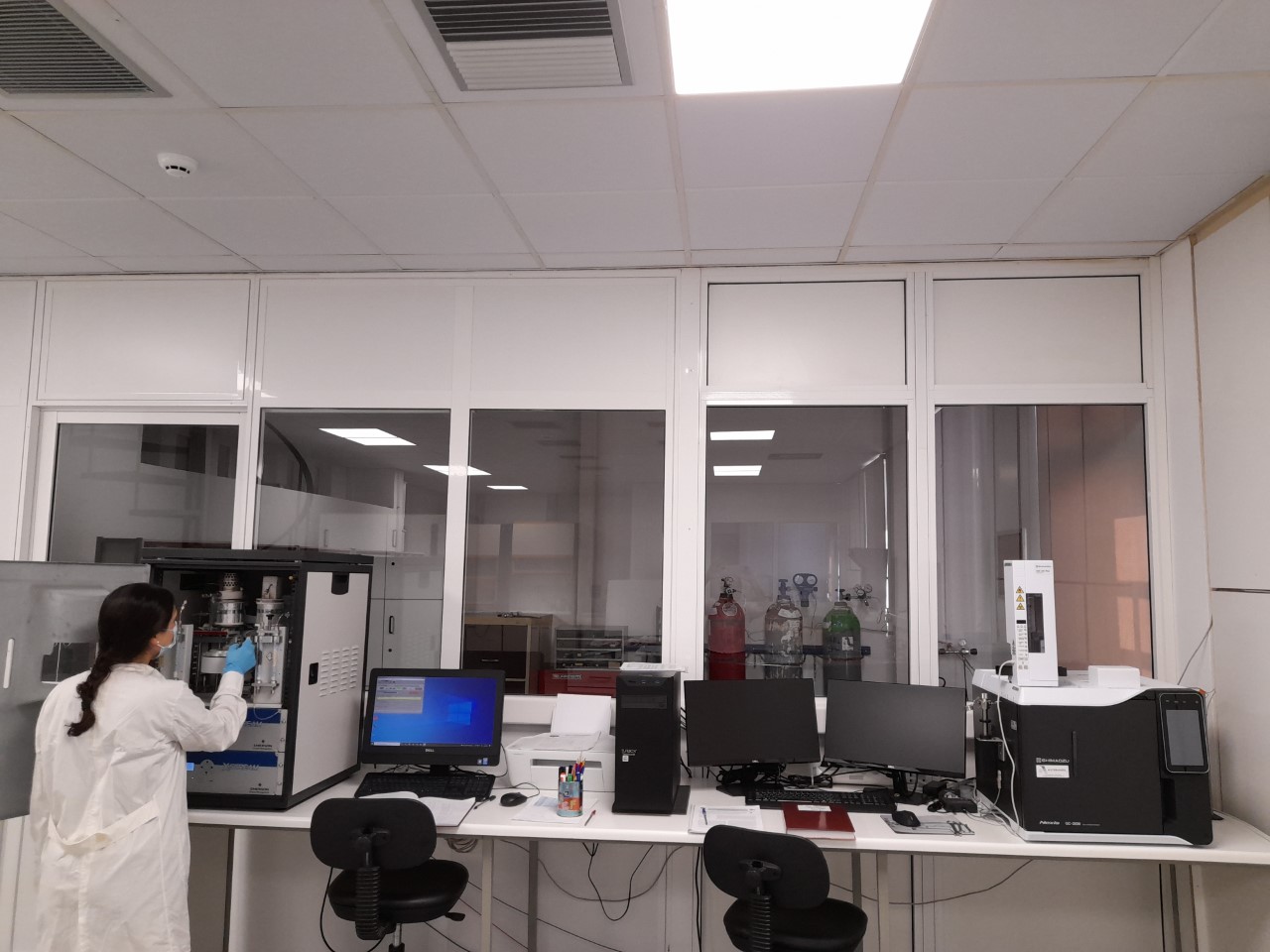
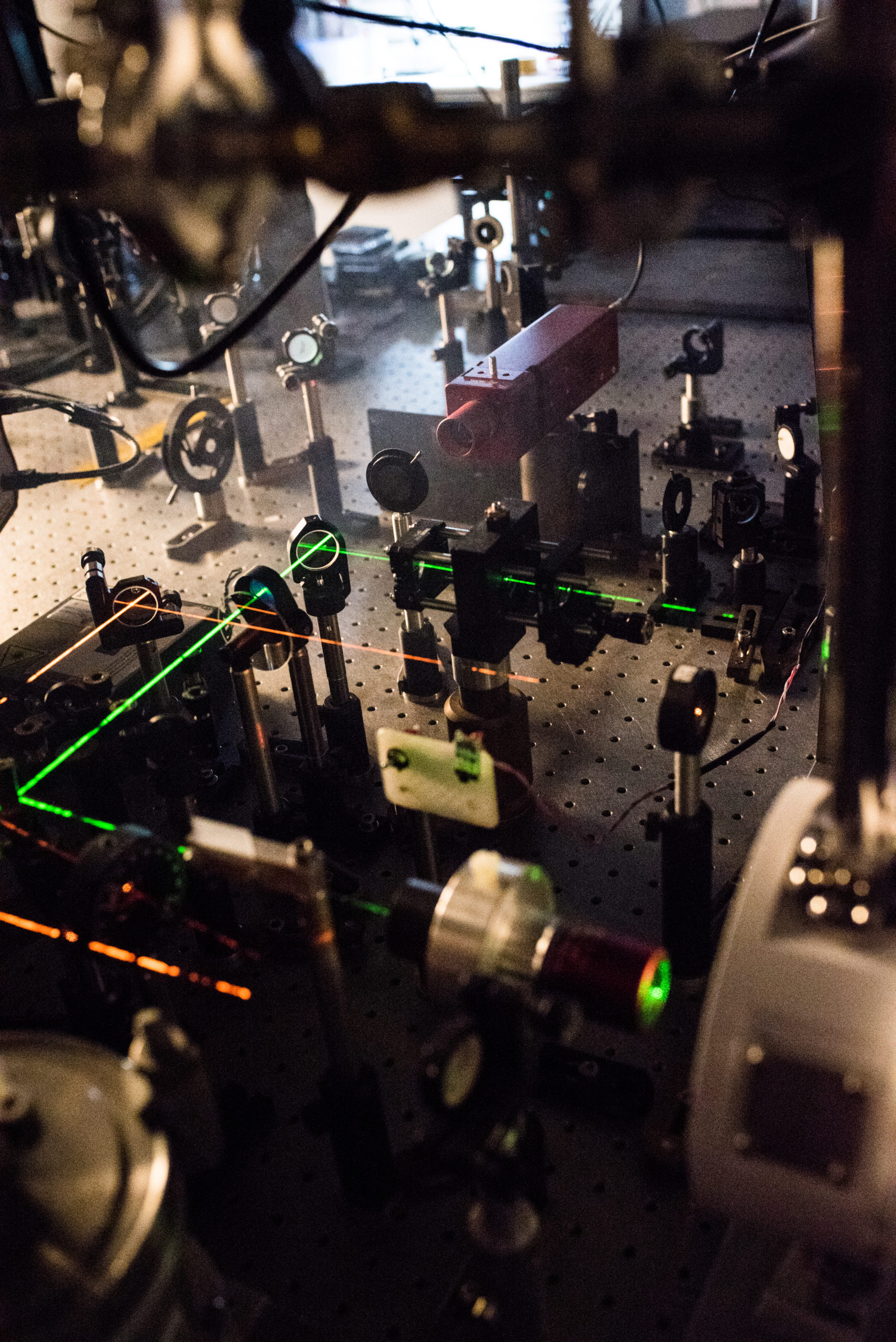
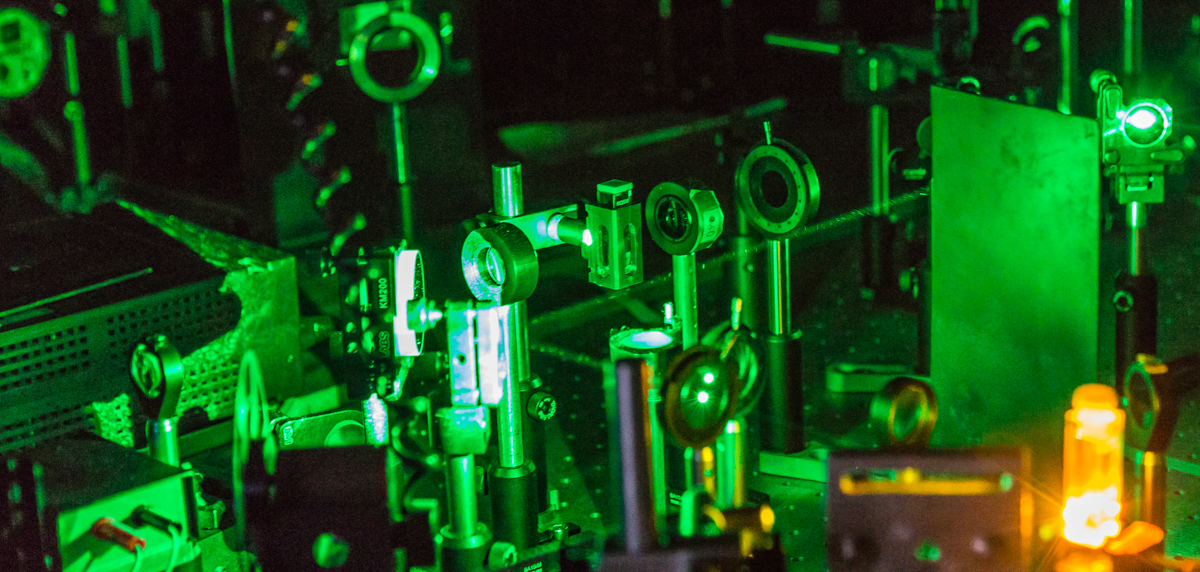
FORTH conducts specialized scientific research in strategic high-added value sectors, focusing on interdisciplinary research and development (R&D) activities in areas of major scientific, societal and economic interest, such as: Lasers and Photonics, Microelectronics, Advanced Materials/Nanotechnology, Molecular Biology and Genetics, Biotechnology, Computer Science, Bioinformatics, Precision Medicine, Systems Biology, Robotics, Telecommunications, Applied and Computational Mathematics, Chemical Engineering Sciences, Energy, Environment, Human and Social Sciences, Astrophysics and Astronomy.
Create and maintain an environment that fosters Learning, Research and Innovation as pillars for Regional, National and European socio – economic growth
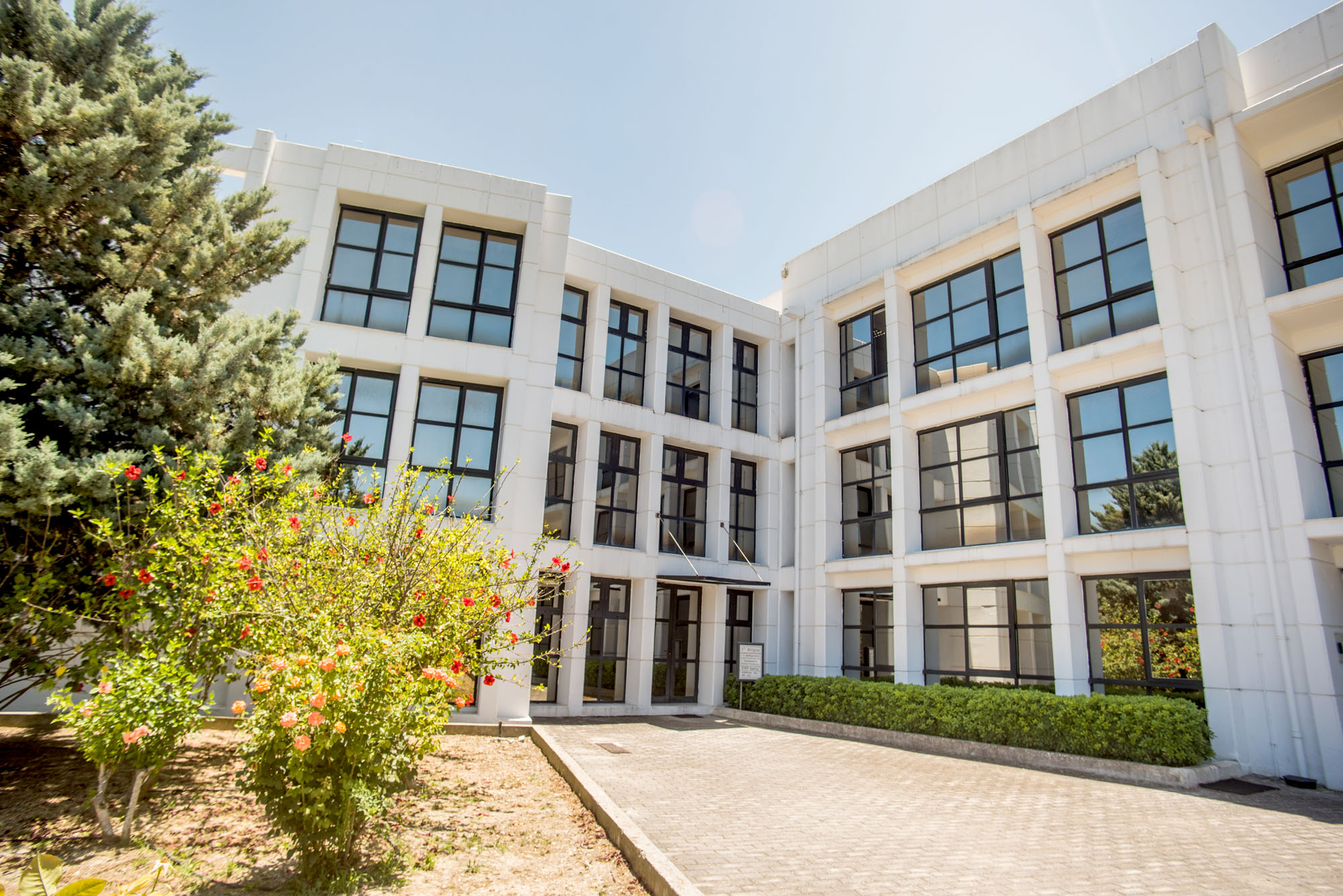
The Foundation comprises 9 Research Institutes. Its headquarters and central administration are based in Heraklion, Crete.
FORTH Institutes
| In Heraklion
· Institute of Electronic Structure and Laser (IESL) · Institute of Molecular Biology and Biotechnology (IMBB) · Institute of Computer Science (ICS) · Institute of Applied and Computational Mathematics (IACM) · Institute of Astrophysics (IA)
|
In Rethymnon
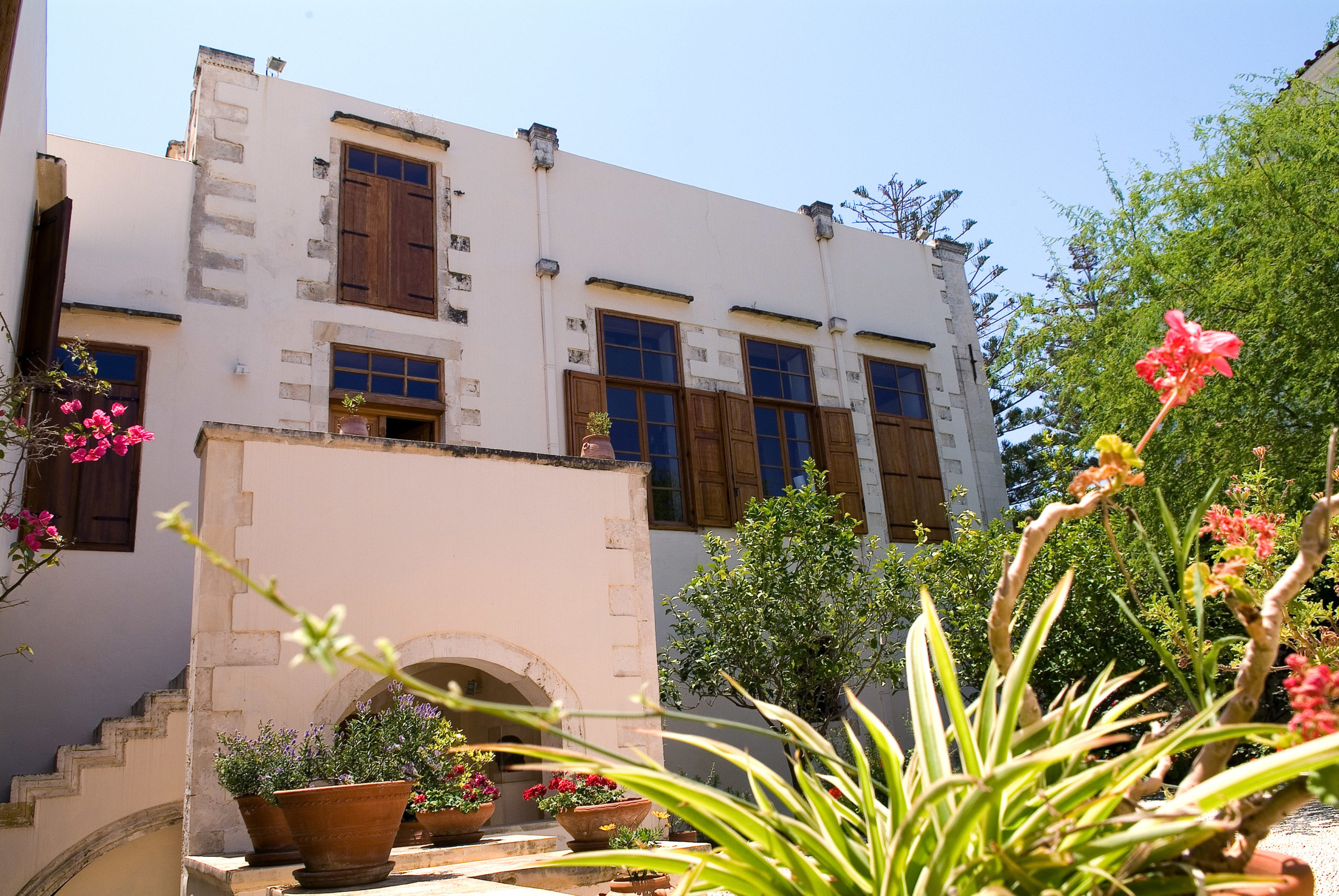
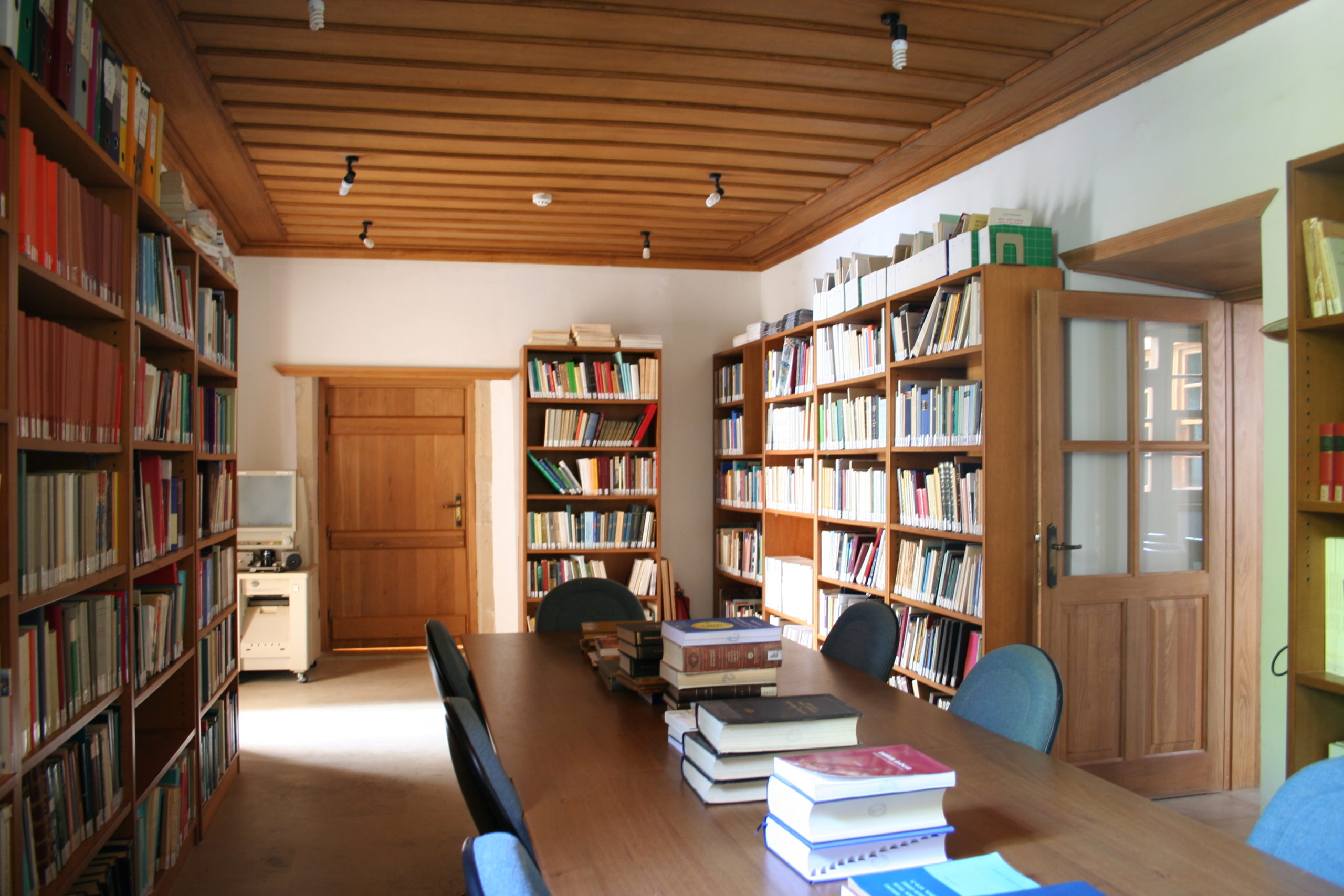
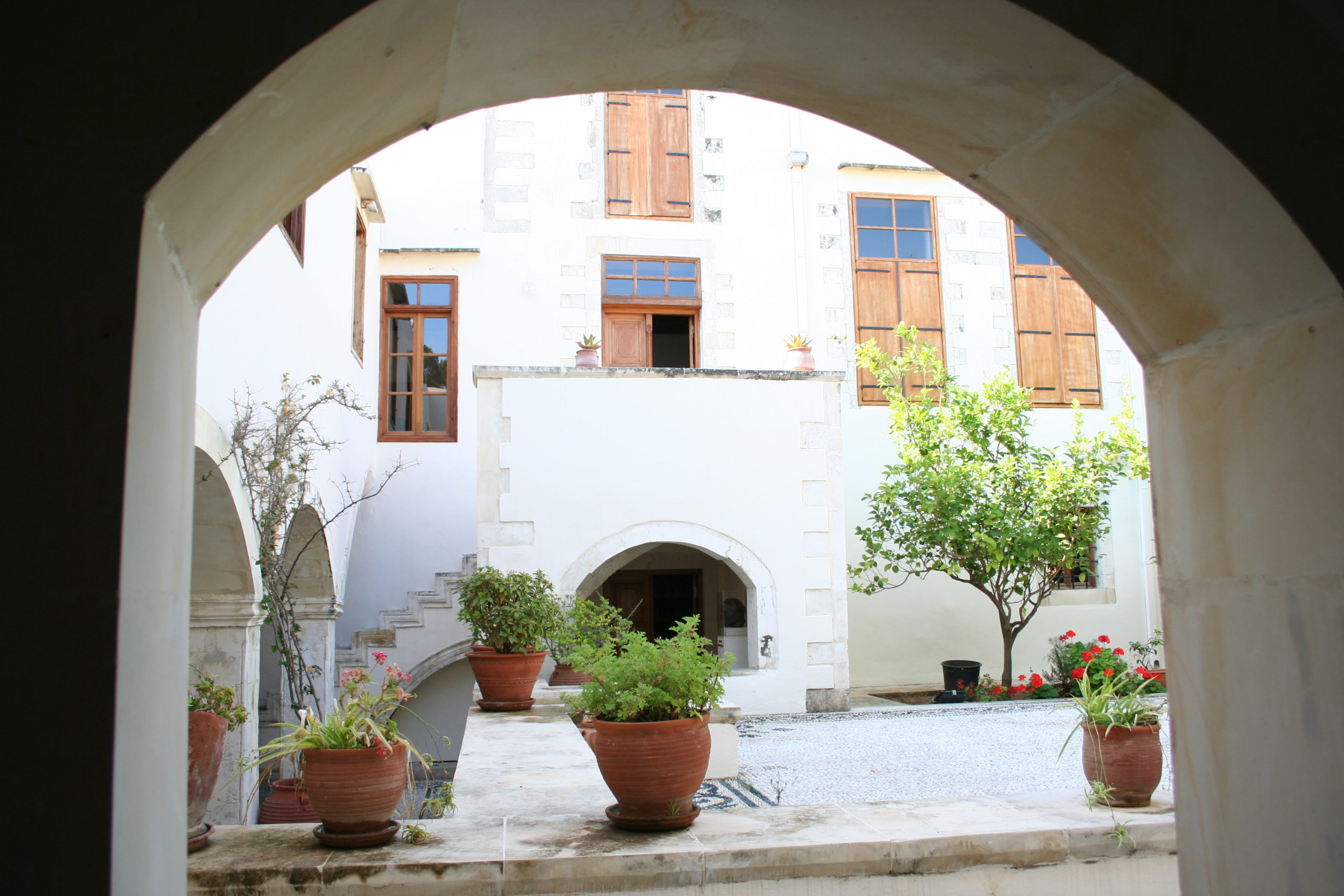
· Institute for Mediterranean Studies (IMS)
In Chania
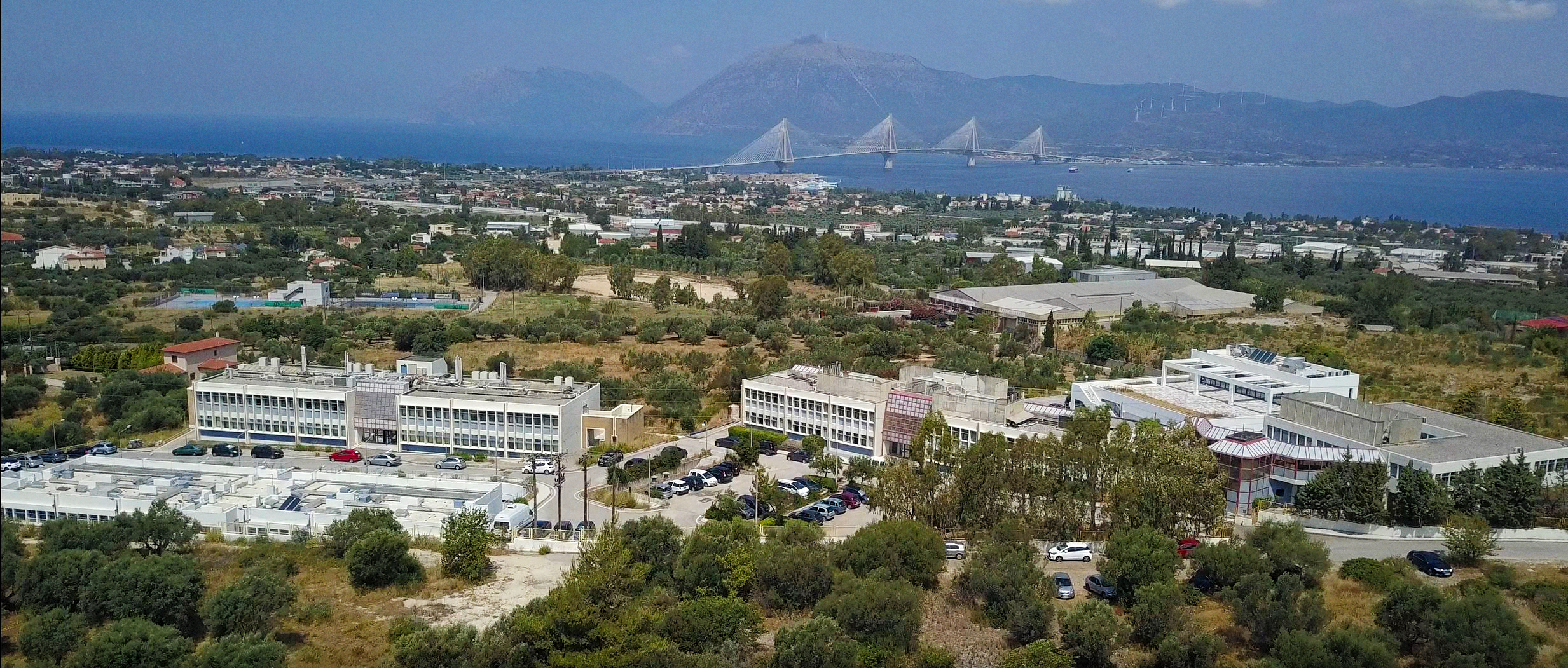
In Patras · Institute of Chemical Engineering Sciences (ICE-HT)
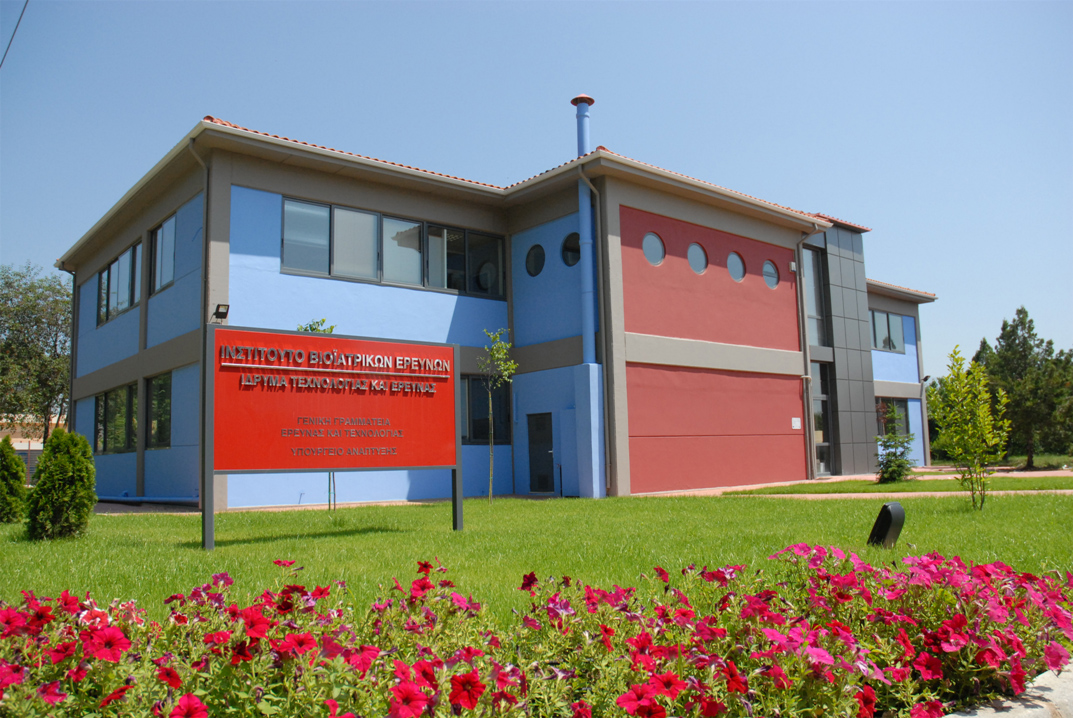
In Ioannina · Biomedical Research Institute (BRI) |
FORTH has also founded:
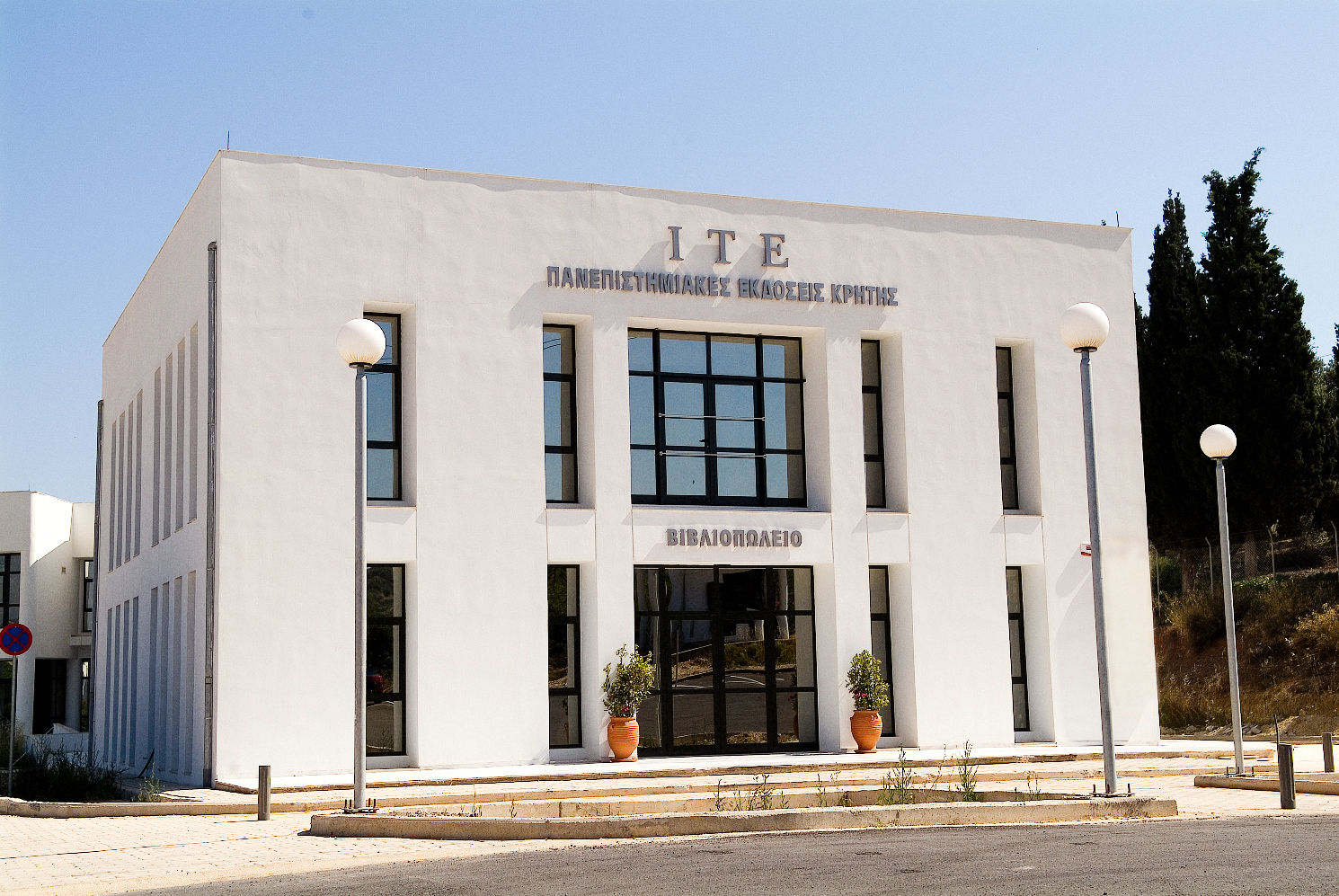
- The Crete University Press (CUP)
- The Skinakas Observatory (in collaboration with the University of Crete)
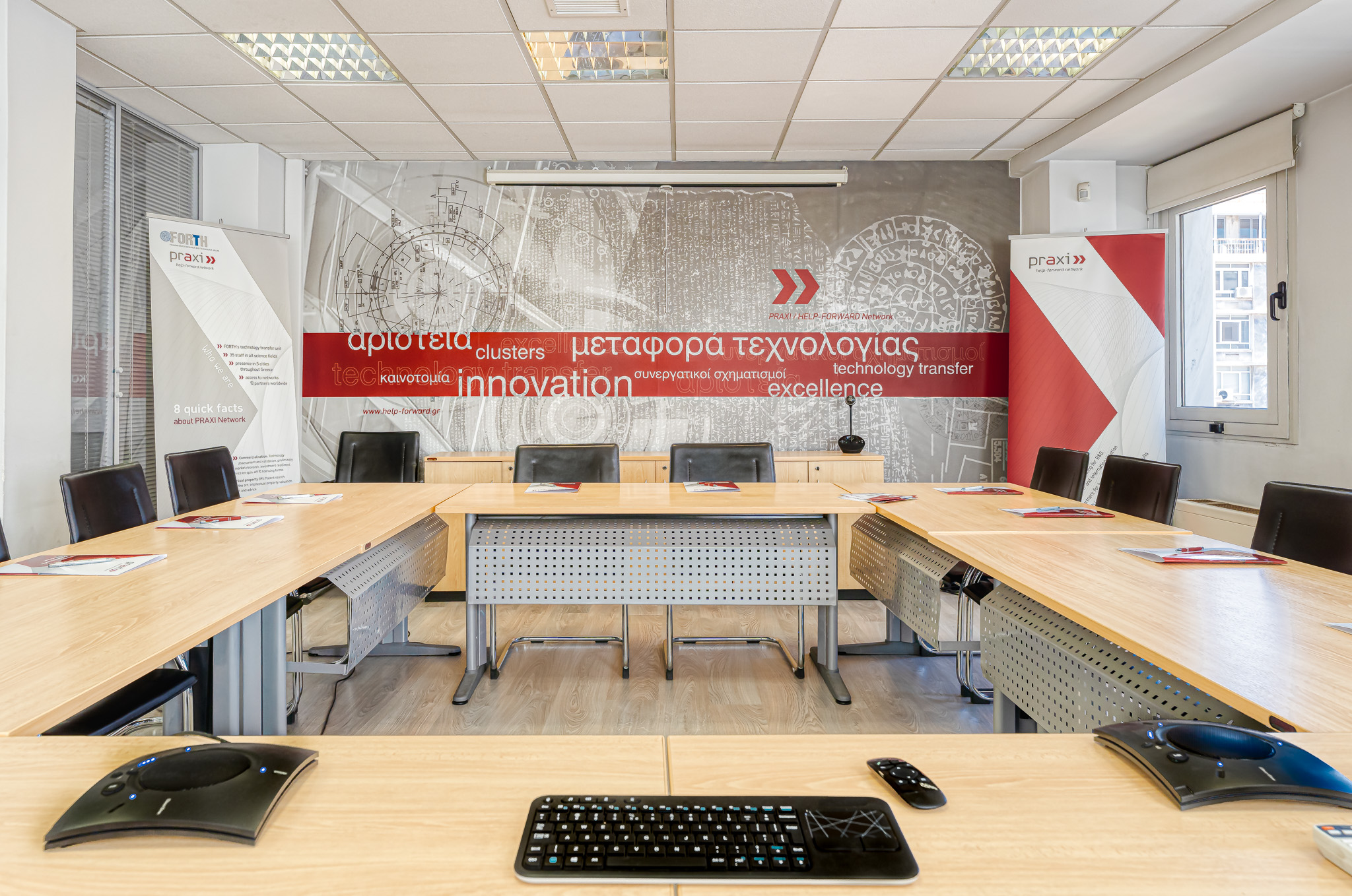
- The PRAXI Network, a technology transfer Unit
2.Scientific Publications and Citations (2010-2021)
Publications: 8,971
Citations (without self citations): 163,707
h-index: 145
Average citations per item: 19.99
Citing articles (without self citations): 134,191
People (31-12-2021)
Members: 1,551
Permanent staff: 329
Researchers: 114
Collaborating Faculty Members: 154
Fellowships/year (incl. postdoctoral): 593
Research associates, technical and administrative personnel: 690
3. Distinctions
FORTH ranks 1st:
among the Research Centers in Greece, in all comparative evaluations conducted by international committees
by the European Commission, among all Greek Research Centers and Universities
in Nature’s INDEX of Research Institutions in Greece
in the Ranking Web of Research Centers in Greece
State-of-the-art research facilities and expertise
European Research Facility in Lasers, Polymers, Cultural Heritage & Genomics sectors
35 ERC Grants
170 Marie Curie Grants
4. State-of-the-art research facilities and Activities
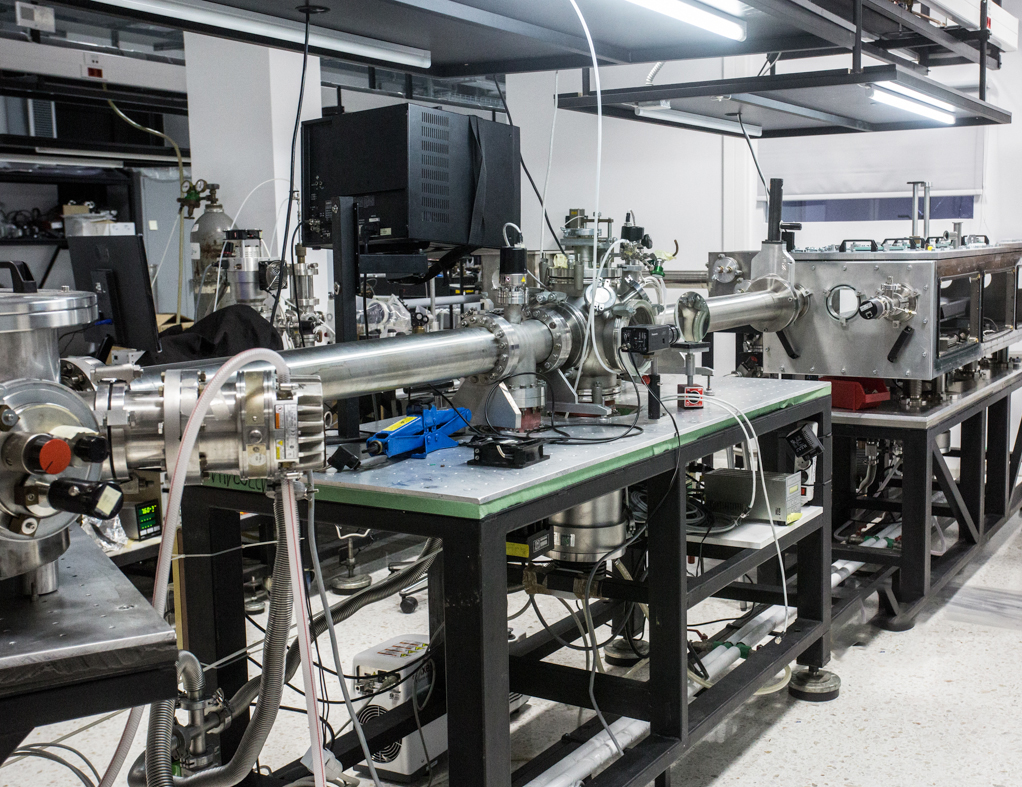
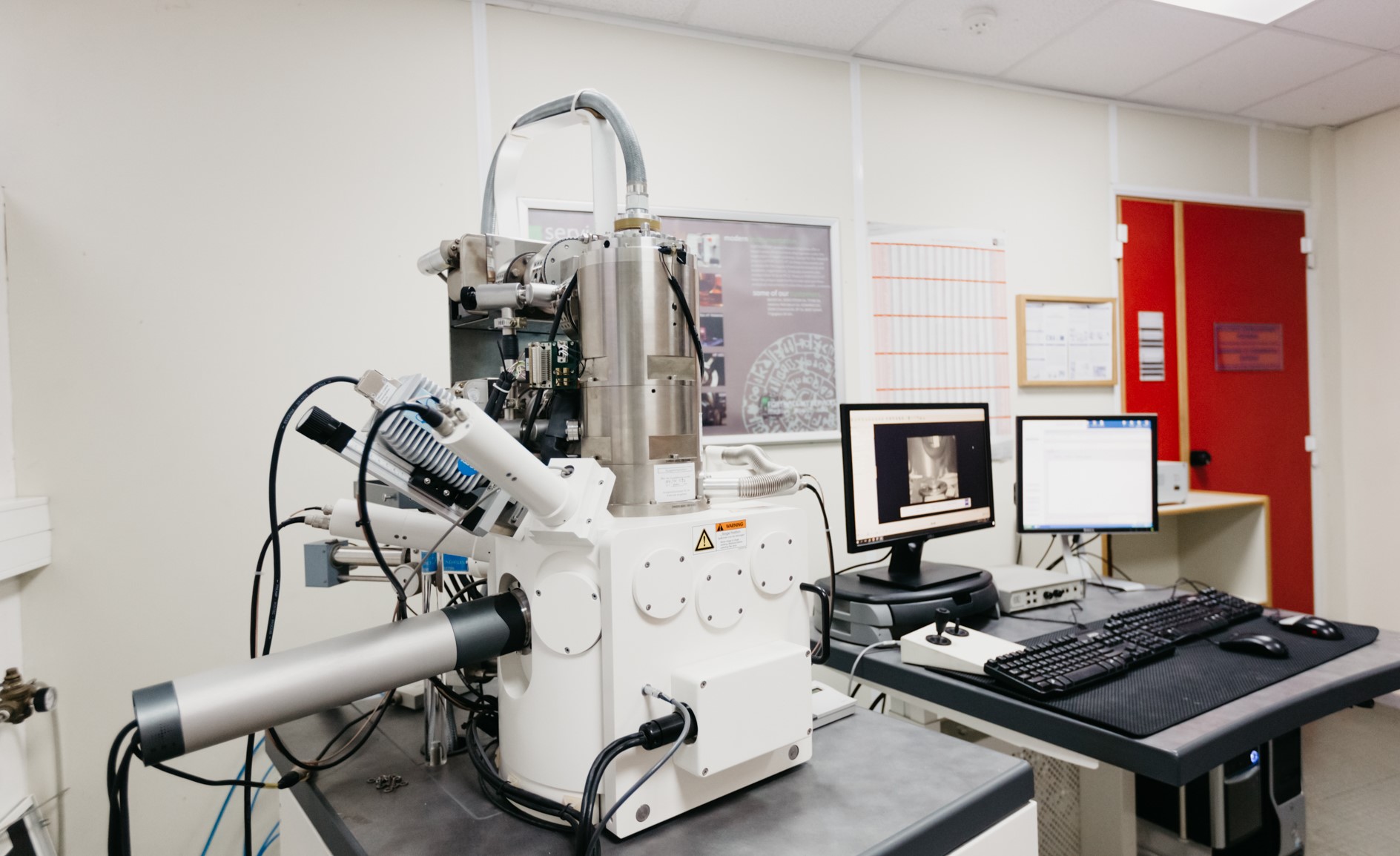
- Highly specialized Research Facilities in Forefront Laser Technologies, which participate actively in the European Research Infrastructures Programme, in the areas of Ultraviolet Lasers, Cultural Heritage Science, Soft Matter and Nanosciences (we have provided more than 3,500 days of access to more than 500 researchers from all over the world within LaserLab alone).
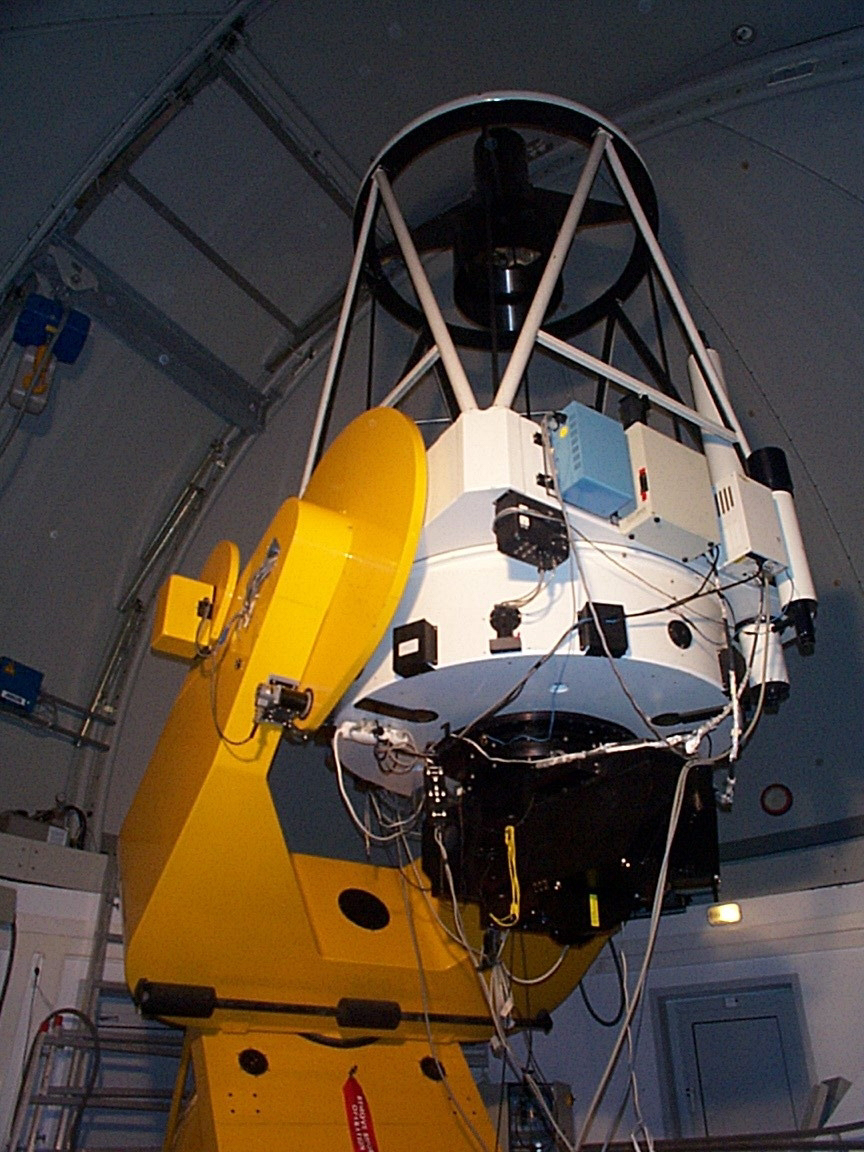
- The “Skinakas” Observatory, in collaboration with the University of Crete and the Max Planck Institute of Extraterrestrial Physics in Germany, which provides the best observation conditions in the Mediterranean Basin. The Skinakas Observatory offers open days to the public during the summer months.
- Common research lab with the Palace museum of the Forbidden City in Beijing, for technology transfer on the conservation of monuments and Art masterpieces.
- Internationally Associated Lab in collaboration with CNRS and Aix-Marseille University.
- Participates in the Greek National Network for Precision Medicine, implementing the Precision Medicine Unit in Crete, in collaboration with the University of Crete.
- The 1st Ancient DNA Analysis Lab in Greece, one of the few in Europe.
- Genomics Analysis Center with applications on Biomedicine, on Cultural Heritage and on Agrifood sector.
- Biomedical Imaging Unit equipped with PET/CT (unique in Crete), in collaboration with the Medical School of the University of Crete and the University Hospital of Crete.
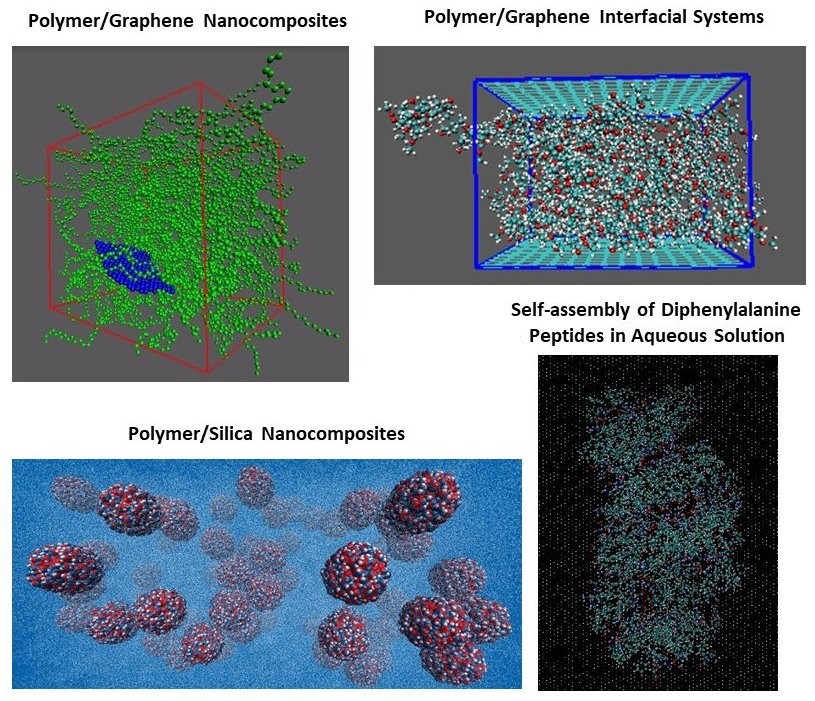
- FORTH Graphene Centre, the main pillar for graphene research in Greece, which actively participates in the Graphene FLAGSHIP – selected as Future and Emerging Technology (FET) by the European Commission.
- Computational-Mathematical Intense Data Modelling unit for Materials science and Bio-Medical applications in collaboration with the National Technical University of Athens.
- The first Metabolomic Analysis in Systems & Network Biology Laboratory in South-Eastern Europe, contributing totechnologies & applications in Precision Medicine and
- Micro-PET facility in the context of the research taking placein the advanced hybrid imaging systems programme.
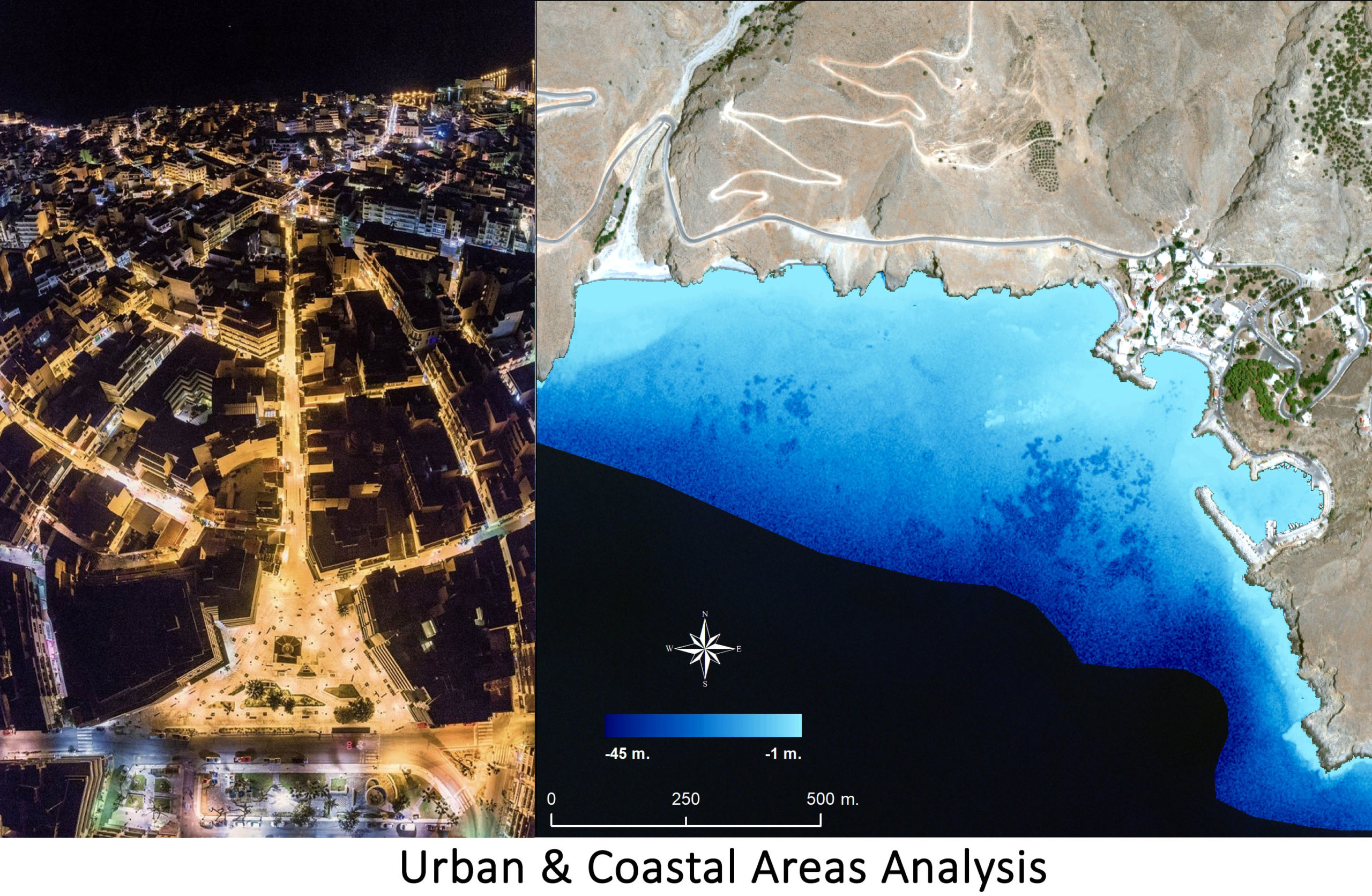
- The first Laboratory in the Eastern Mediterranean areaoffering ground based & satellite remote sensing, prospectionand GIS management of cultural heritage monuments, sitesprotection and environmental resources.
- The only research unit in Greece exclusively dedicated to thesystematic study of Ottoman history.
- The only El Greco Centre of Art History in the Mediterranean.
- The Largest archive for Neohellenic Theatricalperformances in the Eastern Mediterranean from 1830s to
- The only Centre of Maritime History in Eastern
- World-class center for air quality and climate change research,serving as a consultant and providing atmospheric chemicaltransport models to several countries and internationally.
- 1st AXA Chair Grant in Greece, in Epigenetics research.
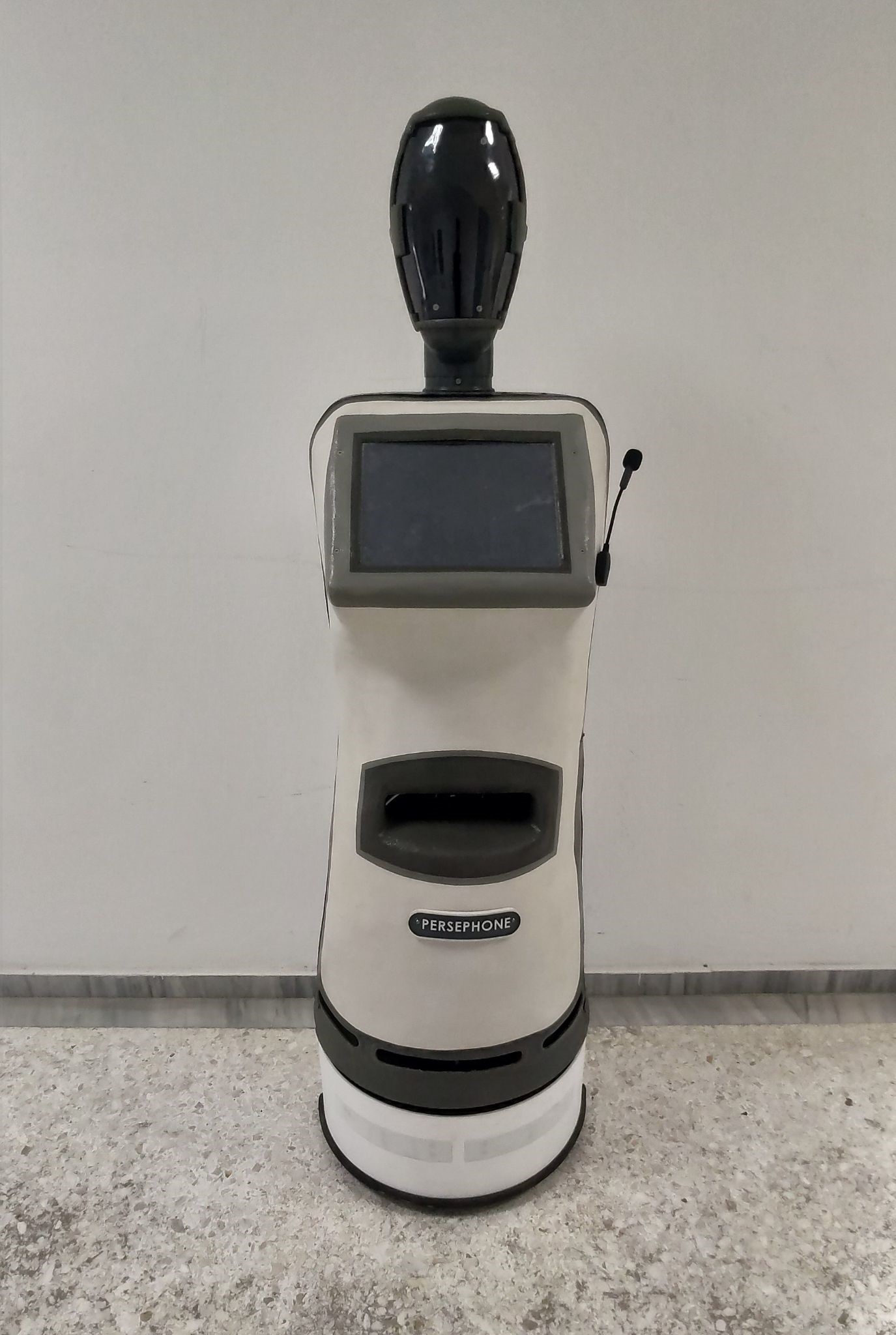
- Ambient Intelligence (AmI) Programme, a long termhorizontal interdisciplinary RTD Programme, aiming atdeveloping and applying pioneering human centric AmItechnologies and Smart Environments in everyday life.
- Data Science Programme for addressing challenges related tothe management and analysis of very large volumes ofheterogeneous data in various domains.
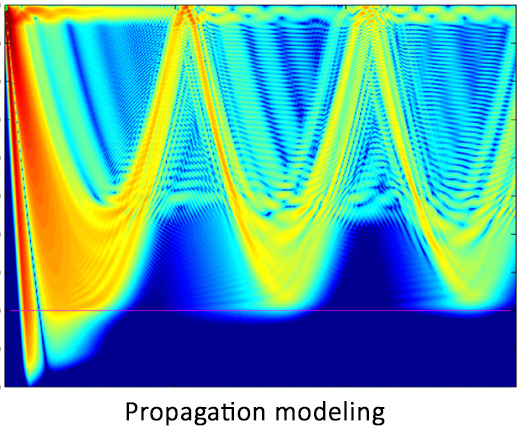
- Computational predictive-modelling activities forgeophysical and environmental flows.
- Cutting-edge technology & expertise in fuel cells, soilpollution monitoring and remediation, clean hydrogenproduction and CO2
- Developing processes for waste biotransformation to useful chemicals.
Education and advanced training
FORTH:
- awards more than 500 fellowships per year toundergraduates, Master’s and Doctoral students, Postdocs andtrainee scientists.
- participates in interdisciplinary graduate programs incollaboration with Greek Universities:
- “Photonics and Nanoelectronics” & “Nanotechnologyand Energy Applications” in collaboration with theUniversity of Crete and the Technological and EducationalInstitute of Crete.
- “Biomedical Engineering” in collaboration with theUniversity of Crete & the Technical University of Crete.
- “Bioinformatics“, “Brain and Mind”, “Ottoman History”and “Theatrical and Cinema Studies” in collaboration withthe University of Crete.
- “Microsystems and Nanostructures” in collaboration withthe National Technical University of Athens andDemokritos Research Centre.
FORTH Researchers teach in many graduate programs offered by Greek Universities.
- organizes an annual series of advanced seminar lectures, on cutting-edge research fields in Physics, Chemistry, Biology, Mathematics and Computer Science, in collaboration with the Alexander S. Onassis Public Benefit Foundation. The main objective of the series is to provide an advanced education and training framework for talented Greek and International graduate and senior undergraduate students, which are selected to participate based on academic merit.
- supports secondary education initiatives for student career advising and interaction with research labs in Greece. Each year, more than 1,100 high school students visit FORTH premises and become acquainted with its scientific activities.
- is visited by 2,500 people every year, for the last 14 years, at “Researcher’s Night”, an initiative of the European Commission taking place in parallel in 300 European Cities, on the last Friday of September.
- has trained more than 15,000 scientists in new technologies.
- has established the Crete University Press (CUP), with 700 titles published to-date (30-35 new publications/year), more than 2,100,000 copies sold (110,000/year) and 26 Awards. CUP Books have been adopted as textbooks in more than 1,700 university courses across the country.
Crete University Press has established the “Mathesis” Open Online Courses (with more than 60,000 students to-date).
Employment and Entrepreneurship
FORTH:
- has directly or indirectly created >1,400 highly skilled jobs through its activities.
- has contributed to the “brain gain” by hiring or collaborating with new scientists who currently work as University Professors and Collaborating Faculty Members at FORTH.
- has established and developed the first Technology Park in the country, located in Patras, currently supervised by GSRT.
- has established the Science and Technology Park of Crete which hosts and supports start-up companies.
- has established the PRAXI Network and contributed to more than 500 research and technology contracts with Greek and International companies and Organizations.
- has created and operates business clusters in various technology sectors (Hellenic Digital Health Cluster, Hellenic Bio Cluster, Hellenic Photonics Cluster, Innovation Greece).
- has developed scientific and technological collaborations with more than 300 companies.
- has developed and supported several spin-off companies.
- promotes conference tourism: ~30.000 overnight stays/year.
- directly supports the market of the Regions of Crete and Western Greece with ~ 3 Μ€ / year.
Contributions to the societal and regional Development
- provides support to the local regional and municipalauthorities; has contributed to the design of the Research and Innovation Strategies for Smart Specialization (RIS3) in the Regions of Crete, Western Greece and Epirus.
- implements the pilot program “Crete InnovationInitiative” (CrInI) in cooperation with the local Academic and Research Institutions for the development of a knowledge based economy in Crete.
- has established health information infrastructures inhospitals and medical units in various Greek Regions.
- has developed interactive systems, online services andsmart environments that contribute to the improvement ofurban quality of life as well as, specialized systems and servicesfor the elderly and disabled people.
- has participated in the development and operation of theGreek “Safeline”which responds to reports for illegal online
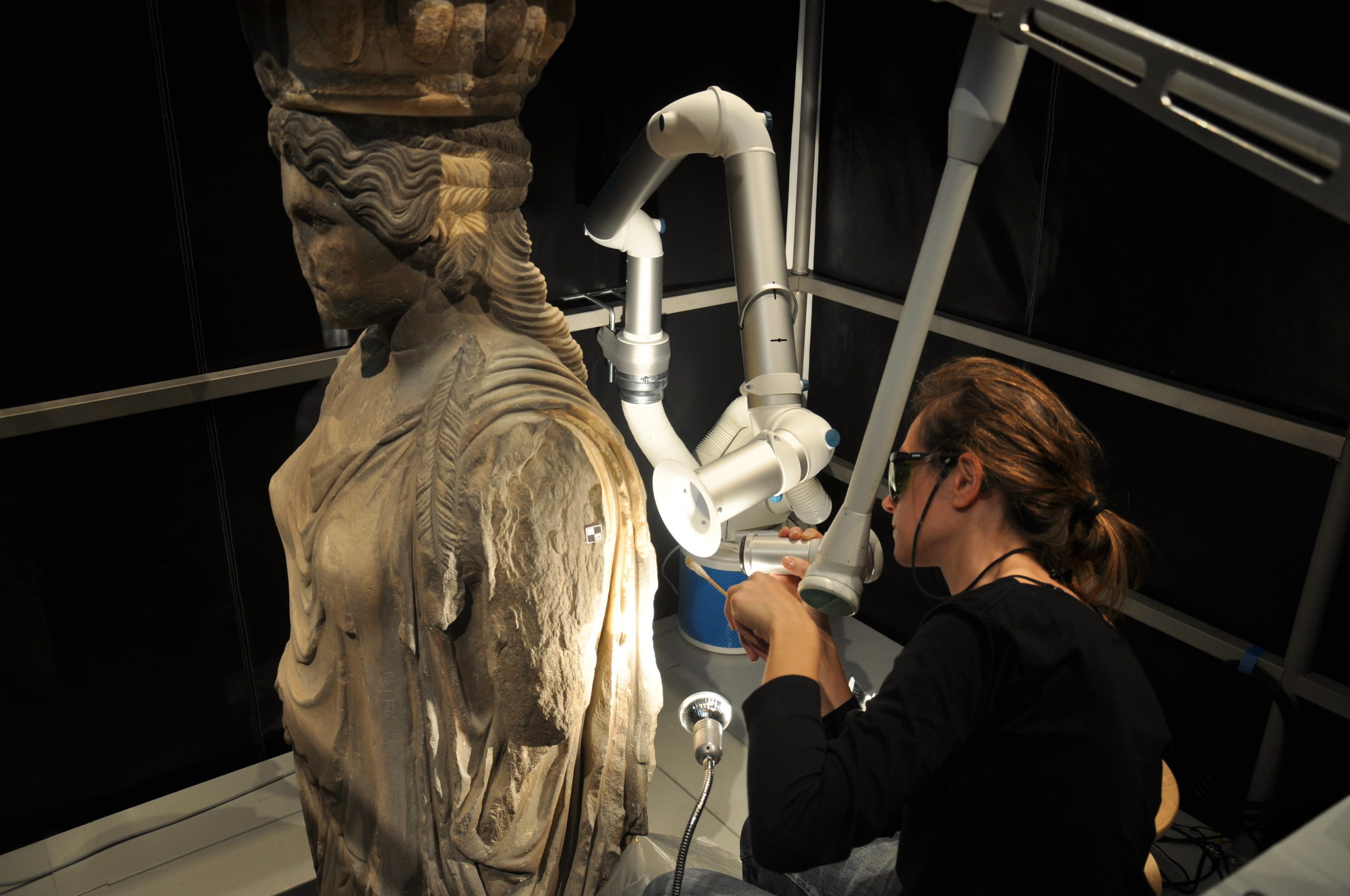
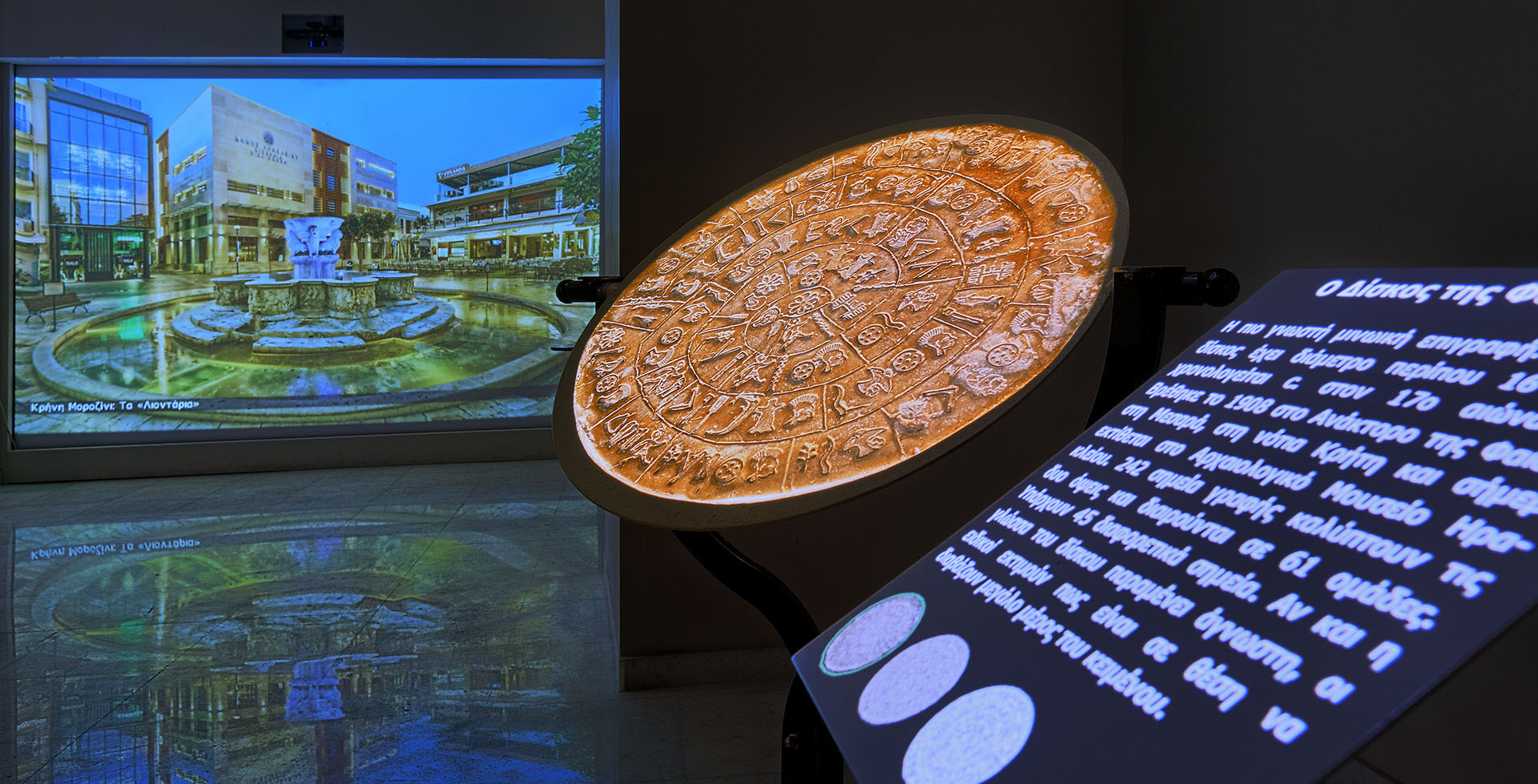
- has contributed to the analysis, diagnosis and conservationof Cultural Heritage objects and monuments.
- is involved in projects for the evaluation of the effects ofclimate change on Monuments like Knossos and Castello aMare (“Koules”) in collaboration with Heraklion Ephorate of
- cooperates widely with cultural Institutions for thepromotion of Greek culture, history, traditional products.
- provides air pollution measurement services andelectromagnetic radiation measurement services from mobilephone antennas in urban environments.
- participates in the Agrifood Cooperation and is a memberof the respective Scientific Committee in the Region of Western
- actively participates in the Entrepreneurship andDevelopment Alliance in Western Greece.
- creatively cooperates with the Patras Science Park for theexploitation of research results and promotion of innovation.
- has carried out research in the history of the cities of theEastern Mediterranean and the Black Sea Aegean and Ionianisland communities (18th-20th centuries) and has formed largedatabases on agricultural and industrial production, on trade,shipping and population structure.
- has developed IoT infrastructure and intelligenttechnologies contributing to the smart city vision of theMunicipality of Heraklion.
- organizes open events and lectures communicating itsscientific accomplishments to the public.