



The first Research Center in Greece and Southeastern Europe
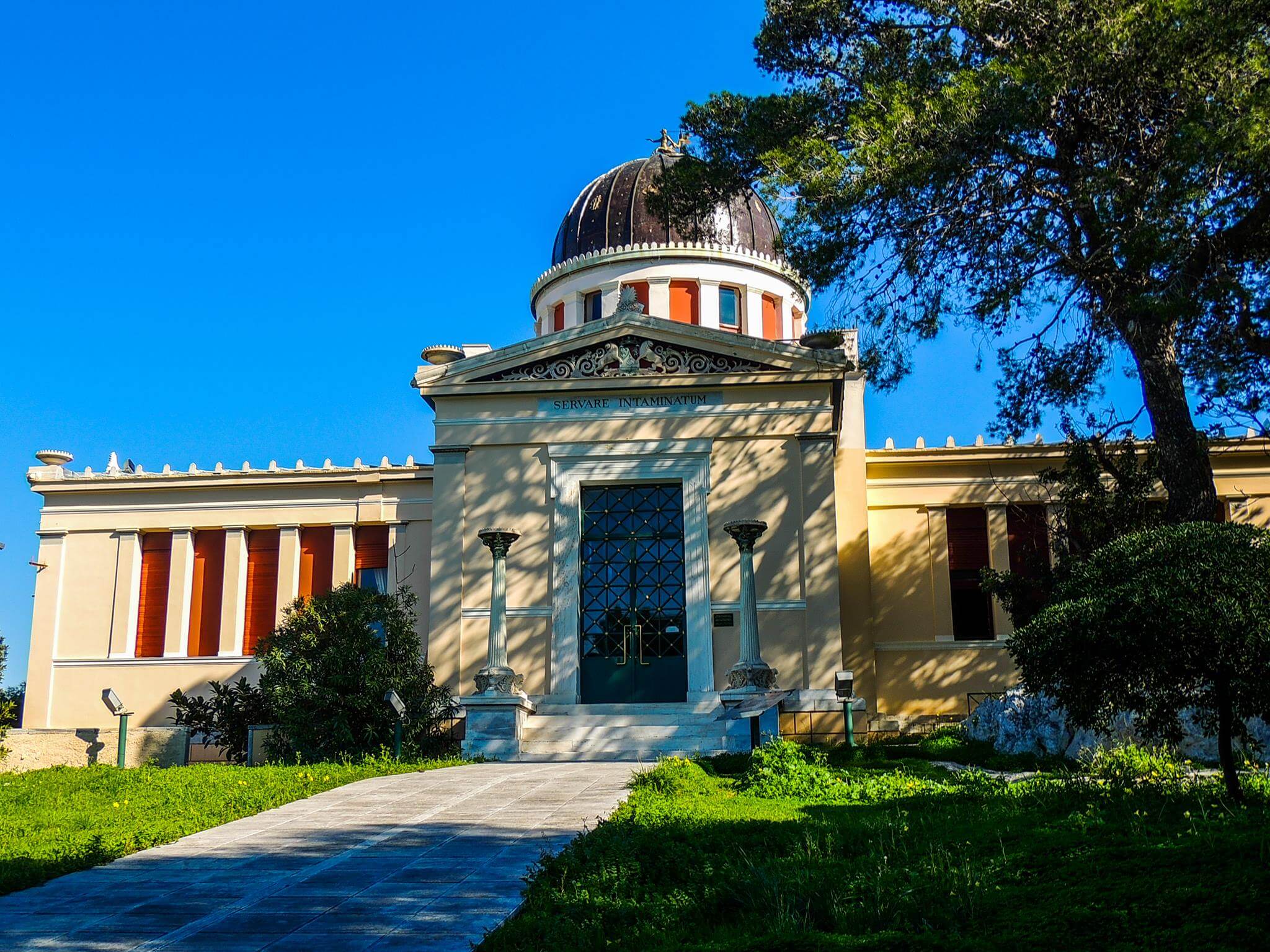
The National Observatory of Athens is the first research Institution created in Greece (1842) after its liberation from the Ottoman (1828), the arrival of King Otto as the head of the modern Greek Kingdom (1833) and the establishment of Athens as the capital of the modern Greek state (1834). It followed the establishment of the two other oldest institutions of higher learning in the modern Greek state, the National Technical University of Athens (1836) and the University of Athens (1837). The construction of the historic Sina’s building on the hill of the Nymphs was financed by the Greek entrepreneur and national benefactor Georgios Sinas who was a successful banker in Vienna and ambassador of Greece to Austria. Sinas subsidized not only enterprises but states and royal families in Europe, financed the first permanent connection across the Danube between Buda and Pest, which is used even today and his name is inscribed on the base of the south western foundation of the bridge on the Buda side.
The original Observatory building was designed by the renouned Danish Architect Theophilus Hansen, who also designed the Cathedral of Athens (1842) and two of the three contiguous buildings forming the so-called “classical trilogy”, namely the Academy of Athens and the National Library of Greece. The third building of the trilogy, the National and Kapodistrian University of Athens, was designed by his brother Christian Hansen. Theophilus Hansen is considered an outstanding representative of neoclassicism. Besides his works in Athens, he is one of the most important and influential architects of the Viennese Ringstraße. His most famous work is the Austrian Parliament building, which was created in the style of an ancient, neo-classic temple, and serves to refer to the Greek beginnings of democracy. Hansen’s famed Musikverein in Vienna is one of the most notable concert halls in the world; a concert hall whose design and acoustics are often admired and copied in present-day music houses.
The hill of the Nymphs, selected as the place to build the Observatory, is one of the seven hills of Athens, a sanctuary of the Nymphs in antiquity. It is also next to the Pnyka hill where one of the early Observatories of the 5th century was located and where Meton’s Heliotropion was placed. The hill of the Nymphs is aligned with one of the most celebrated and best preserved meteorological/astronomical observatories, the Tower of the Winds, also the emblem of the Royal Meteorological Society. A rough copy of this Tower was built at the University of Oxford.
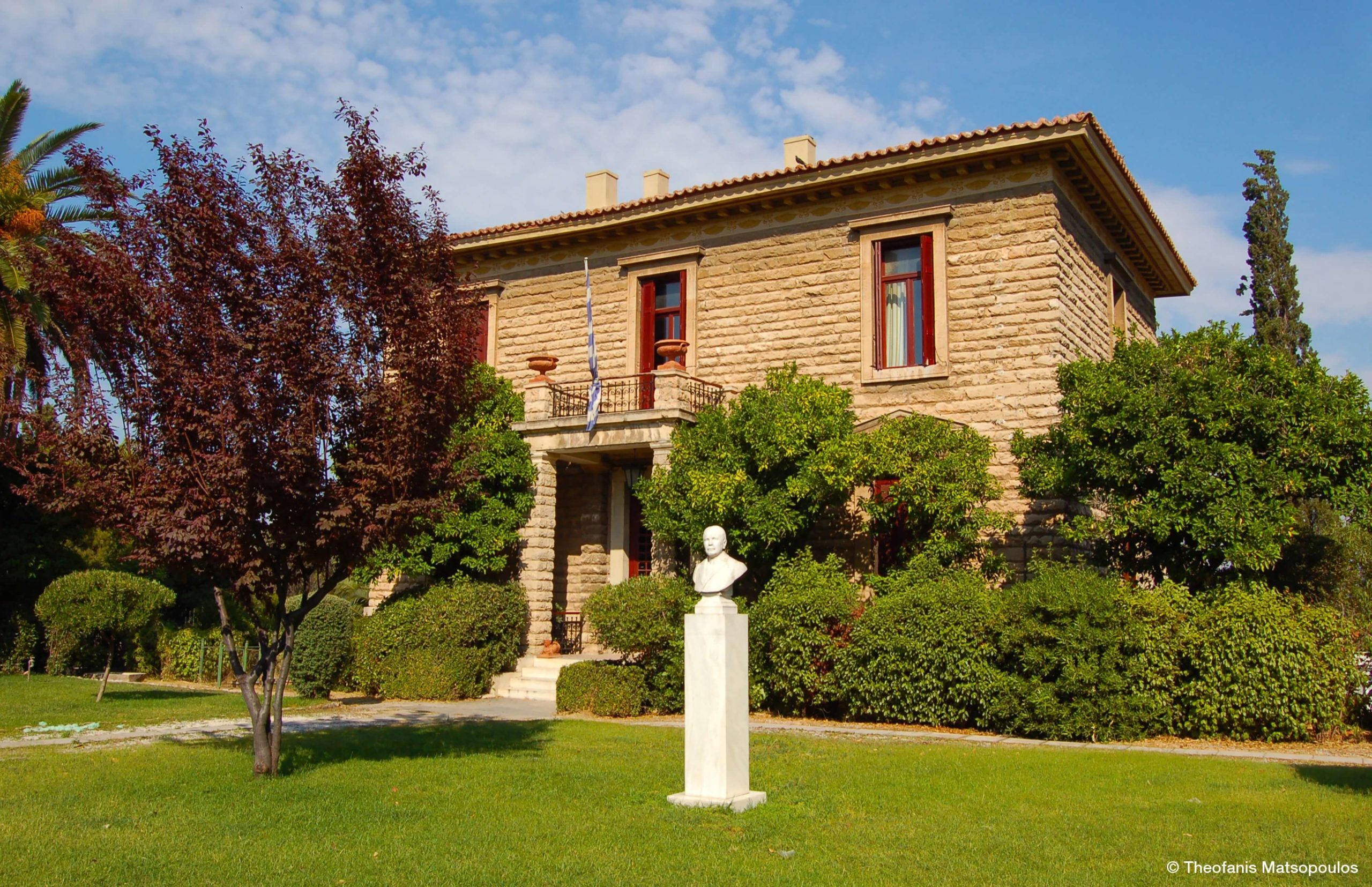
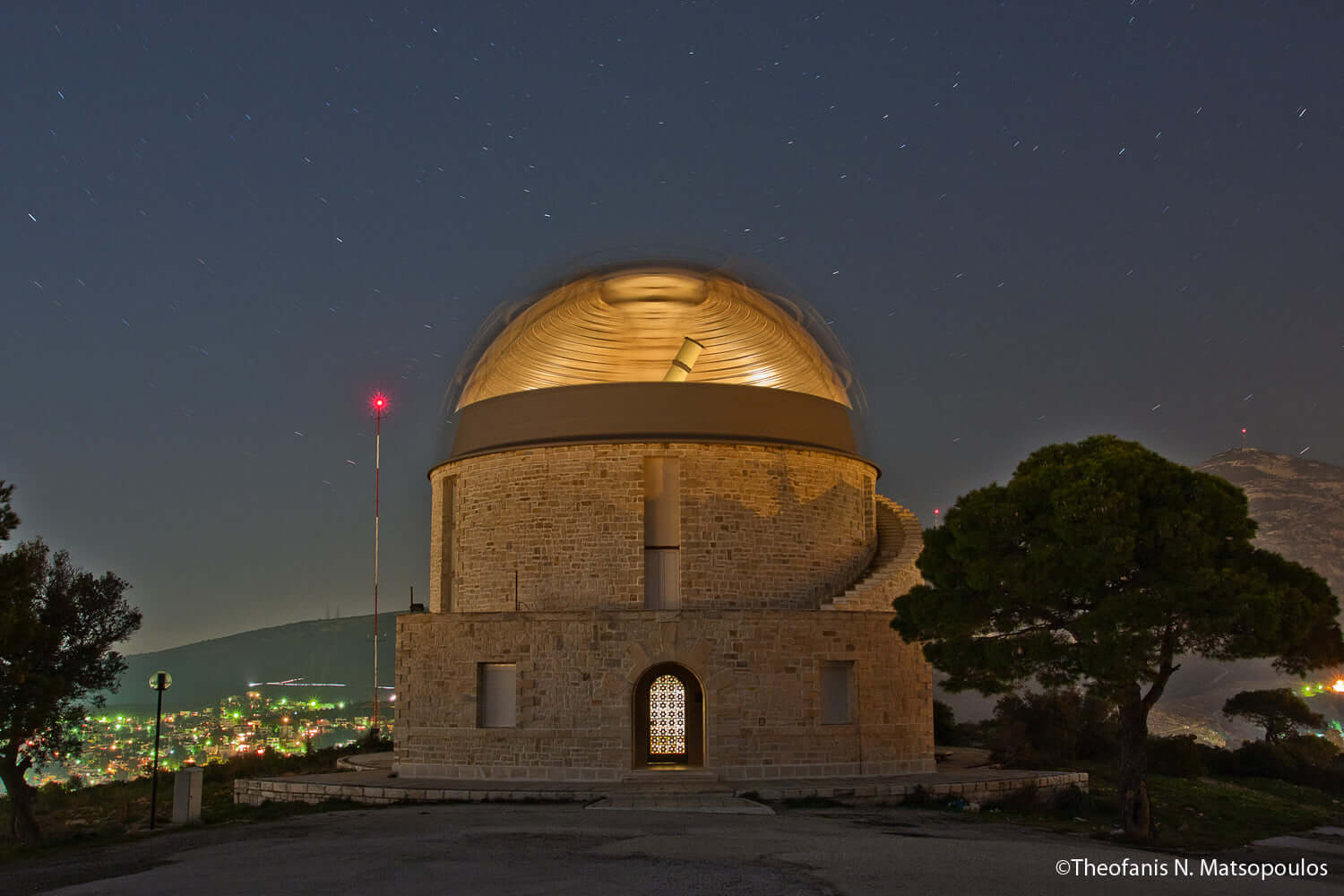
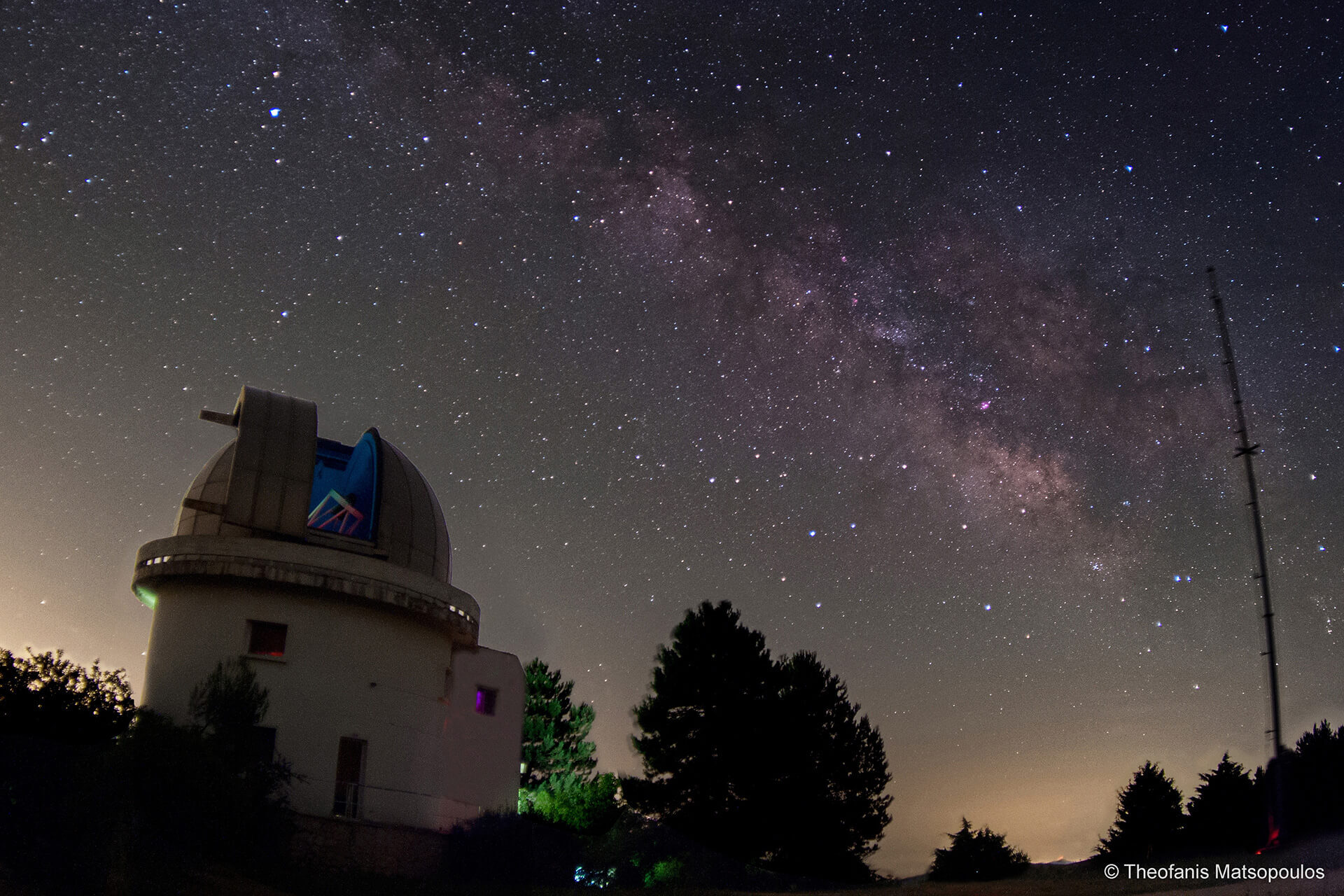
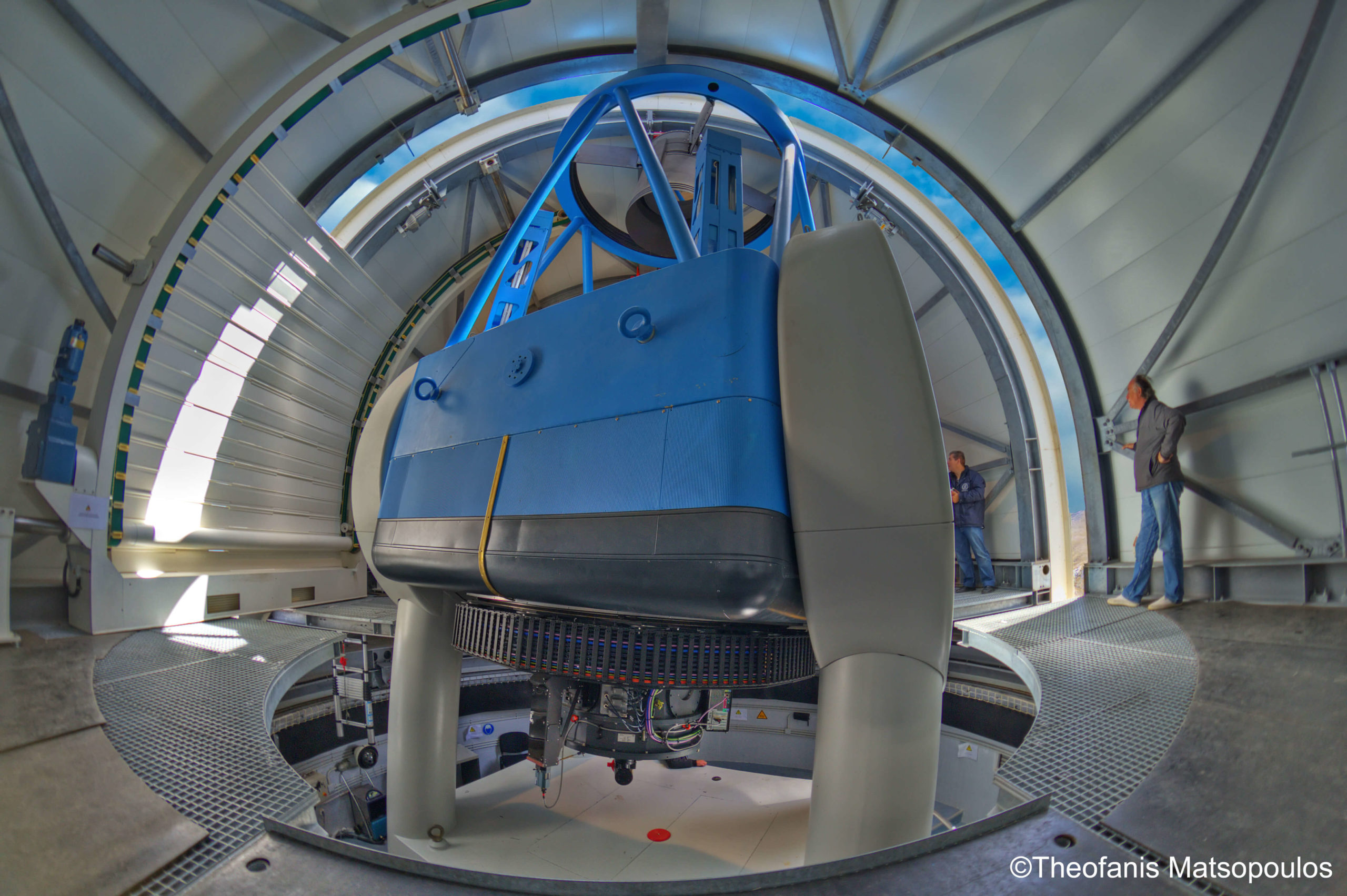
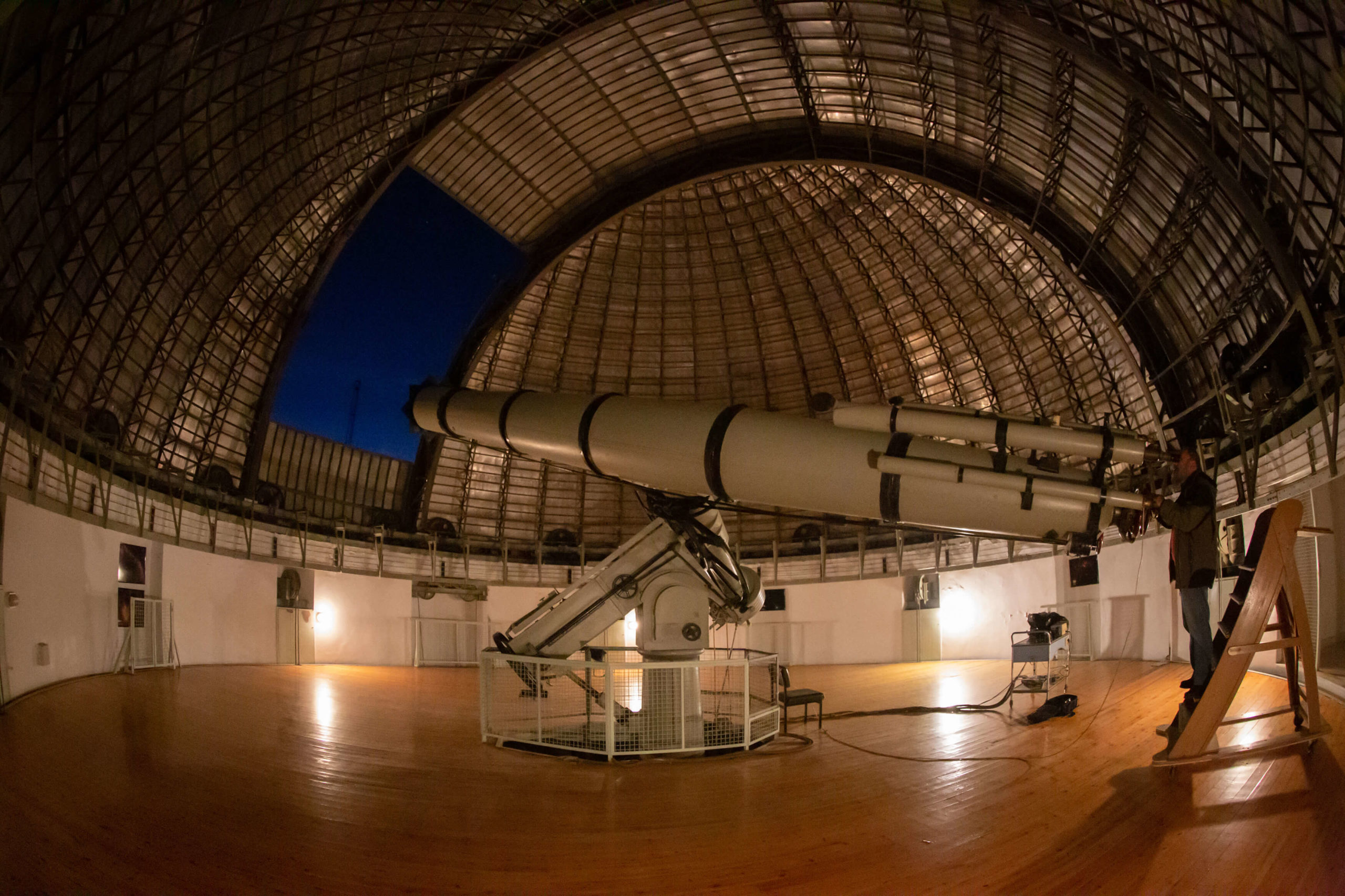
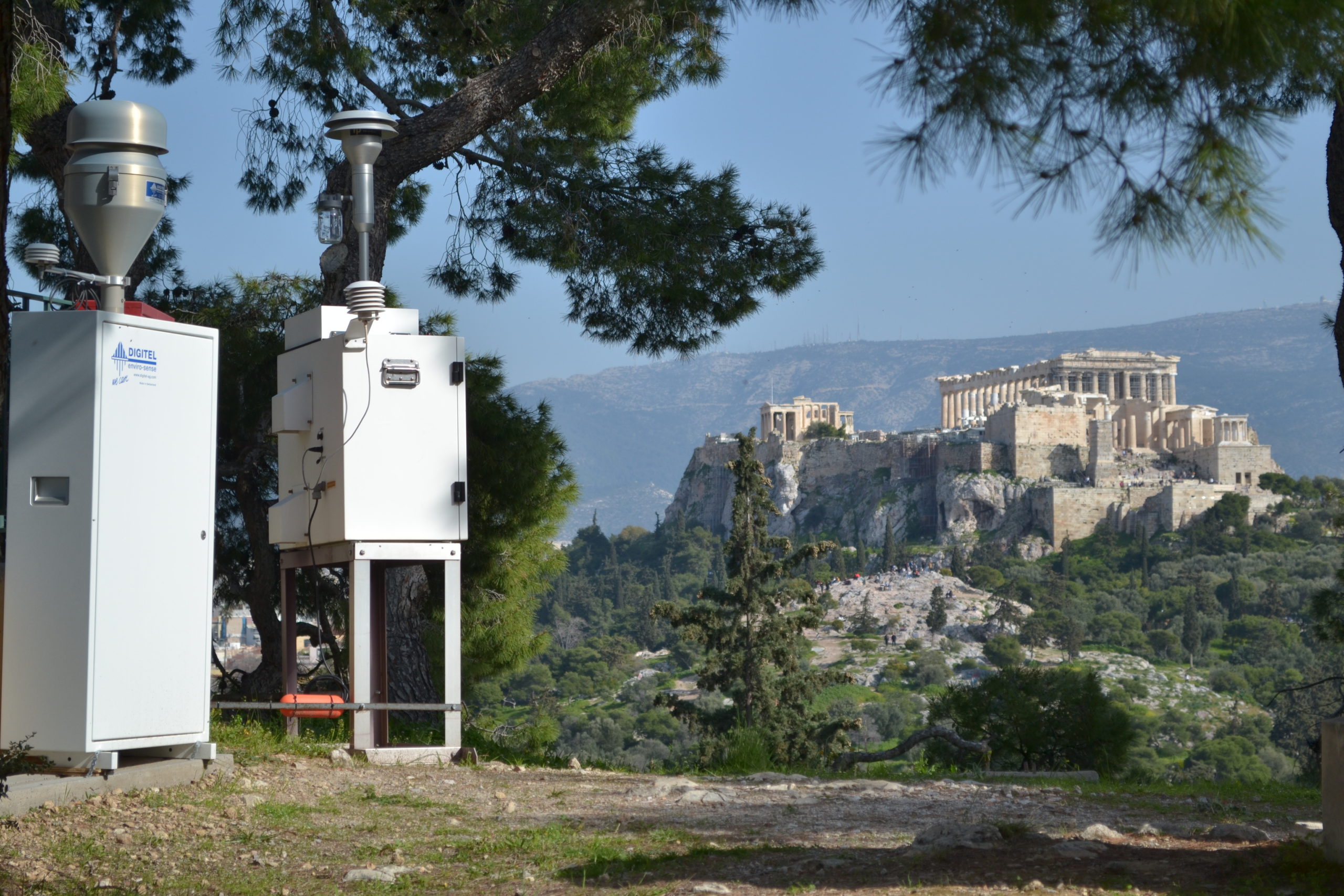
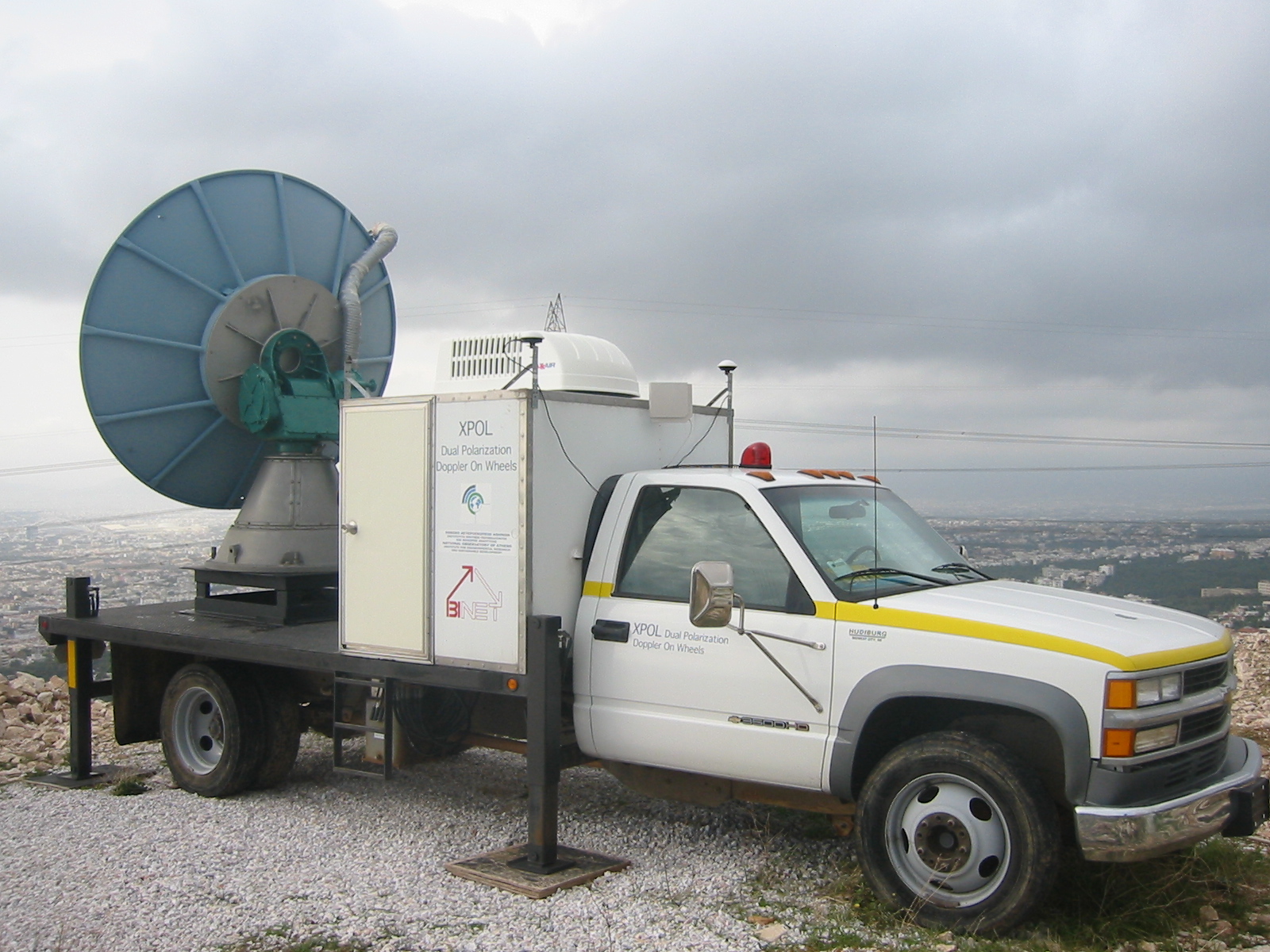
The National Observatory of Athens facing the Parthenon and Thission is one of the landmarks of Athens; it has long been used by Greek and foreign Astronomers as the basis for astronomical, meteorological, chartographical and geodynamical measurements and observations in the more than 170 years long course of its history. Today the buildings of NOA at Thission include an Astrogeophysics Museum, housing clocks, telescopes and other instruments of the 19th century, as well as an extensive 19th century library. The activities of the National Observatory of Athens are organized in 3 research Institutes: the Institute of Astronomy, Astrophysics, Space Applications and Remote Sensing, the Institute of Environmental Research and Sustainable Development, and the Geodynamics Institute. Besides basic and applied research and services to the society, these Institutes provide the facilities for graduate student training in collaboration with other Greek and foreign Universities. NOA hosts the UNESCO Chair for Natural Disasters and the Greek Focal Point of the Global Earth Observing System of Systems (GEOSS), operates the National Seismological Network, participates in the OPTICON and other international research networks, etc.
Institutes: